VVerdoos
Log in
YY

yongxing yongxing

@yongxing0825

4 Posts0 Followers0 Following
YY
yongxing yongxing@yongxing0825· October 22 at 4:35 AM

Do Wholesale Tennis Skirts Work Beyond the Tennis Court

Court Versatility of Wholesale Tennis Skirts from Yongxing Retailers buying court apparel often face a practical question about whether a single skirt design can serve tennis players, golfers, and the growing pickleball audience without splitting an order across three separate styles, and Jinhua Yongxing Knitting Co., Ltd. addresses that question through construction rather than marketing language. Founded in 2010 and based in Jinhua, Zhejiang, the company shifted to seamless knitting technology in 2020 after leadership identified recurring weaknesses in seamed products, and that structural focus carries into the Wholesale Tennis Skirts now offered through YogasuitFactory. So which design details actually decide whether one skirt suits three sports? What Tennis Demands from a Skirt Tennis places specific loads on a garment. Players rotate through serves, lunge laterally, and stop abruptly, which means the waistband must resist twisting and the inner shorts must stay in place through repeated direction changes. A one-piece skirt-and-pants construction solves the coverage problem by removing the gap between outer skirt and inner short, and that same construction helps in golf and pickleball, where bending to retrieve a ball or reaching across the body creates similar demands. The pleated outer skirt on Yongxing’s designs uses wrinkle-resistant memory fabric that returns to shape after movement, which matters because a skirt that stays creased after a lunge looks tired by the back nine. A waistband that shifts during a serve also forces the player to adjust mid-rally, and that distraction costs points in a sport decided by small margins. Where Golf Diverges from Tennis Golf does not require the same lateral explosiveness, but it does ask for a polished appearance across a long round and comfortable wear while walking. A skirt that reads as athletic on the tennis court can read as appropriate on the course if the outer skirt drapes cleanly and the inner short length suits the wearer’s preference. Golfers often favor a slightly longer inner short, and retailers stocking a single design should confirm the inner short length works for both sports rather than assuming tennis proportions translate directly. The invisible drawstring waistband on Yongxing’s skirts gives wearers adjustment room, which helps across the different body positions each sport involves, and it also accommodates the layering that morning tee times sometimes require. Pickleball and the Pocket Question Pickleball has grown quickly among players who want activewear that handles quick forward movement and frequent ball retrieval. Side pockets on the inner shorts address that need directly, since players can carry a spare ball without holding it. This is the detail that most often decides whether a pickleball player adopts a tennis skirt, and it costs little to include at the design stage. Buyers sourcing for clubs that run tennis, pickleball, and golf programs can stock one skirt family and let pocket placement and inner short length do the differentiation work rather than maintaining separate product lines for each sport. That approach also simplifies reordering, since a single base style keeps size curves consistent across the season. Fabric Behavior Across Three Sports Breathability and moisture management matter in all three sports, though the conditions differ. Tennis and pickleball generate sustained sweat during rallies, while golf produces heat through walking and sun exposure over several hours. High-elastic, breathable fabric with quick-drying properties serves both patterns, and the lightweight outer skirt keeps the garment from feeling heavy in warm conditions. Yongxing operates 100 specialized seamless knitting machines and 20 standard production lines across a 30,000 square meter base, with CE and ISO9001 certification and end-to-end quality control from raw materials to finished goods, which supports consistent fabric behavior across large orders. Fabric consistency matters most when a retailer reorders, because a shade or hand-feel shift between batches shows up immediately on a shop floor where the same style sits beside last season’s stock. Ordering One Design for Multiple Sports Retailers who want to serve several court sports from one purchase should confirm inner short length, pocket placement, waistband construction, and outer skirt drape before committing to volume. Yongxing supports customer-specific logos and modular component additions, so a waistband can be adjusted or a pocket added without redesigning the whole garment. For buyers comparing options, the Wholesale Tennis Skirts range at https://www.yogasuitfactory.com gives a starting point for reviewing construction details, and the factory’s customization support means a single base design can be tuned for tennis, golf, and pickleball customers. Buyers can also ask for sample skirts in each target sport’s typical colorway, since a white or light shade reveals construction problems that a dark sample hides, and that early check saves the rework that comes from discovering drape issues after a full production run. Working through those details with the Yongxing team before placing a seasonal order gives retailers a skirt that travels between courts and keeps inventory simple.
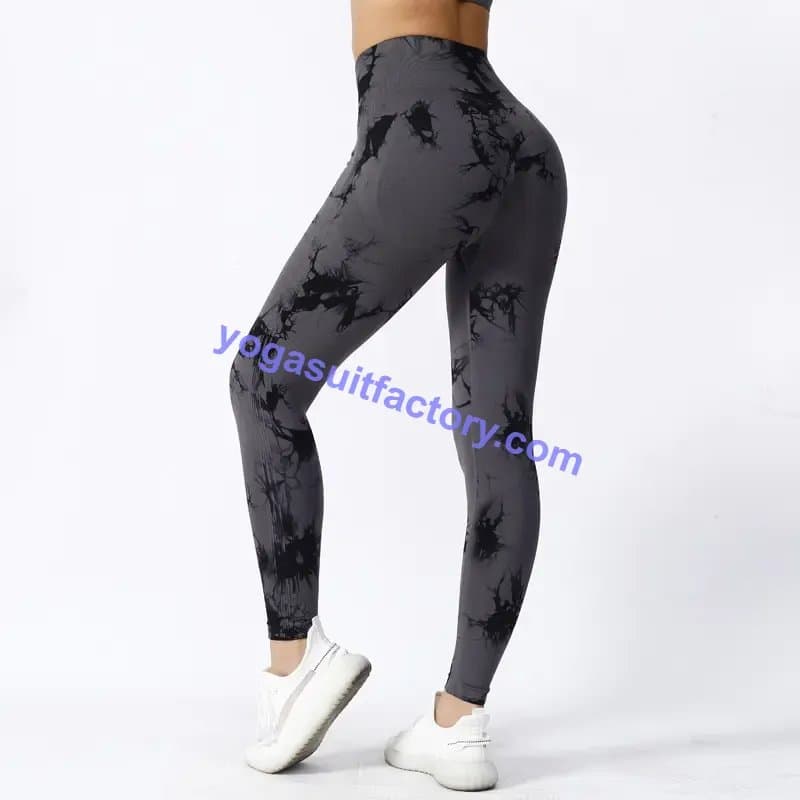
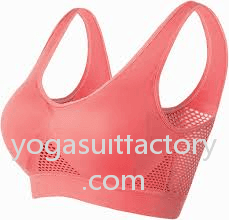
Photo shared by yongxing yongxing: Court Versatility of Wholesale Tennis Skirts from Yongxing

Retailers buying court apparel often f
YY
yongxing yongxing@yongxing0825· October 19 at 3:36 AM

Why Seam Placement Affects Skin Contact During Motion

Athletic apparel intended for fuller figures must manage both physical support and surface interaction with skin across repeated motion cycles. Traditional constructions often incorporate multiple seams that create raised edges capable of rubbing against soft tissue when the body shifts during exercise. Continuous knitting methods eliminate these junctions by forming the garment as a single unit, thereby presenting a uniform interior face that glides rather than abrades. Owners exploring Seamless Sports Bras for Large Bust selections through YogasuitFactory frequently inquire whether this structural continuity truly limits the development of redness or discomfort after prolonged sessions? The absence of stitched ridges allows the fabric to maintain consistent contact pressure without localized peaks that concentrate force against the skin. When the torso expands and contracts with breathing or when arms swing through ranges of motion, the smooth interior reduces the shear forces that otherwise accumulate along seam lines. Moisture management further contributes to this outcome because damp fabric can increase friction coefficients; materials engineered to transport perspiration away from the body keep the interface drier and less prone to adhesive sticking that exacerbates rubbing. Support architecture also plays a role in limiting irritation. Assemblies that distribute load across broader surface areas rather than concentrating it at narrow bands decrease the intensity of pressure points. Encapsulation or compressive panels that stabilize tissue reduce vertical and lateral displacement, which in turn lessens the sliding action between skin and fabric. When tissue movement diminishes, the opportunity for repeated micro-abrasions declines correspondingly. Material selection influences tactile response as well. Soft-hand yarns with fine denier profiles create a gentle interface that accommodates sensitive areas without the coarseness sometimes found in high-tenacity performance textiles. Elastic recovery properties ensure the garment returns to its original dimensions after stretch, preventing progressive loosening that could allow unwanted shifting and subsequent friction. Fit precision remains essential for realizing these benefits. Garments sized to accommodate fuller proportions without excessive tightness avoid the constriction that can itself generate pressure marks, while sufficient coverage prevents edges from rolling or digging during dynamic activity. Adjustable elements, where present, permit fine-tuning so that contact remains even across the torso. Care practices extend the functional lifespan of the smooth interior. Following recommended washing methods preserves the integrity of the knit structure and prevents pilling that might introduce new surface irregularities. Air drying rather than high-heat tumbling helps maintain elasticity and surface uniformity over repeated use cycles. Environmental conditions during wear also interact with construction choices. In warmer climates or during high-output intervals, the combination of moisture transport and seamless contact helps keep the skin environment stable, reducing the likelihood of heat-related sensitivity that can amplify any residual friction. In cooler settings the same continuous surface avoids cold spots created by gaps at seam junctions. Individuals who transition from seamed alternatives often notice the difference most clearly during extended sessions where cumulative contact time becomes significant. The progressive buildup of irritation that previously required mid-activity adjustment or post-session recovery diminishes when the primary sources of mechanical stress are removed at the design stage. Seamless Sports Bras for Large Bust offerings available via YogasuitFactory incorporate the continuous construction and soft-surface characteristics outlined here, and further product details appear within the collection at https://www.yogasuitfactory.com where fabric compositions and support descriptions assist evaluation of suitability for individual movement patterns and comfort preferences.

Photo shared by yongxing yongxing: Athletic apparel intended for fuller figures must manage both physical support and surface interacti
YY
yongxing yongxing@yongxing0825· August 20 at 2:40 AM

What Determines Wear Life of Yoga Outfits for Women at YogasuitFactory Yongxing

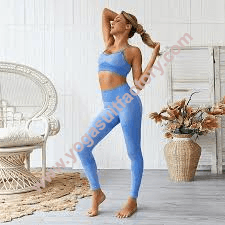
Many practitioners wonder whether accessible Yoga Outfits for Women and YogasuitFactory pieces deliver consistent performance across months of studio and home practice. Stretch recovery, color retention, and seam integrity determine how long a garment remains functional during flows that demand full range of motion. Fabric composition and assembly methods play central roles in these outcomes. What specific elements decide whether an outfit continues to serve after frequent washing and stretching cycles? Nylon and spandex blends appear in numerous activewear constructions because they combine elasticity with resistance to abrasion. The percentage of each fiber influences how the material responds to tension during lunges or inversions. Higher spandex content aids recovery yet requires balanced nylon to resist pilling on contact points such as inner thighs. Knit density also matters; tighter constructions limit snagging when the fabric brushes against mats or equipment. Factories that control yarn quality and knitting tension produce panels that hold shape without excessive thinning. Seam construction receives less attention yet directly affects lifespan. Flatlock stitching reduces bulk and friction against skin while distributing stress across a wider area. Overlocked edges that remain secure after multiple laundry cycles prevent unraveling at stress zones like the crotch or waistband. Reinforced waistbands with consistent elastic tension avoid rolling or sagging that appears once the band loses recovery. Garments assembled with attention to these details continue to fit as intended through successive wears. Colorfastness and finish treatments influence appearance over time. Dyes fixed properly resist fading when exposed to sweat and detergent. Moisture management finishes that stay bonded to the fiber help the fabric release dampness rather than hold it against the skin. These treatments degrade if applied unevenly or if the base fabric cannot hold them. Consistent application during production supports garments that look presentable after repeated use. Care habits interact with inherent material qualities. Washing in cool water and avoiding high heat in dryers preserve elastane fibers that otherwise break down under thermal stress. Turning pieces inside out limits surface abrasion from other items in the load. Air drying further protects the knit structure. Owners who follow these steps extend functional life regardless of the original price point of the garment. Real world movement patterns test every panel and seam. Repeated hip openers and deep folds place cyclic strain on specific zones. Fabrics that recover fully after each stretch maintain coverage and support. Those that elongate permanently create bagging that reduces confidence during practice. Construction that anticipates these stress patterns produces outfits suited to daily or near daily sessions. Fit consistency across sizes also relates to durability. Panels cut from patterns that account for stretch allow the garment to move with the body rather than against it. When the cut respects natural body lines the fabric experiences less localized tension. This approach reduces the chance of early failure at high movement areas. Factories that refine patterns through repeated wear testing achieve more predictable longevity. After considering fiber blend ratios, seam methods, color fixation, care routines, movement demands, and pattern accuracy the durability of accessible Yoga Outfits for Women becomes clearer under YogasuitFactory approaches. Many factors that support extended use stem from controlled production rather than exclusive materials. Practitioners seeking garments that align with these principles may review current selections at https://www.yogasuitfactory.com/product where Yongxing production lines focus on practical performance for regular practice.

Photo shared by yongxing yongxing: Many practitioners wonder whether accessible Yoga Outfits for Women and YogasuitFactory pieces deliv