VVerdoos
Log in
HS

Henry Smith

@mrhenrysmith

4 Posts0 Followers0 Following
HS
Henry Smith@mrhenrysmith· Thursday at 2:33 PM

Cashback Mortgages: Benefits, Drawbacks and Key Considerations

A cashback mortgage can sound appealing: take out a mortgage and receive a lump sum after completion. For homebuyers facing the many costs of moving, that extra cash can provide useful financial support. However, cashback should not be viewed in isolation. A mortgage offering a generous incentive could still cost more overall if it comes with a higher interest rate, larger fees or restrictive terms. Speaking with an independent mortgage advisor can also help you assess how a cashback deal compares with other options based on your circumstances. Understanding how cashback mortgages work, what they offer and which costs and conditions to compare can help you decide whether the incentive genuinely represents good value. What Is a Cashback Mortgage? A cashback mortgage is a mortgage product that gives the borrower a cash payment after the mortgage completes. The cashback may be a fixed amount or, depending on the product, calculated as a percentage of the amount borrowed. MoneyHelper notes that cashback is generally paid after completion and may be used towards costs such as furniture or repairs. The exact amount, payment date and eligibility requirements vary between mortgage products. Cashback is also only one part of the deal, so it should be considered alongside the interest rate, fees, repayment structure and any early repayment charges. How Does Mortgage Cashback Work? The process is relatively straightforward: You apply for and complete a qualifying mortgage. The lender confirms that the conditions for cashback have been met. The cashback is paid according to the product's terms, usually after completion. You can then use the money for eligible or general household expenses, depending on the lender's conditions. One important point is timing. Cashback generally cannot be treated as money available for your deposit before the mortgage completes. Check the mortgage offer carefully to establish exactly when and how the payment will be made. What Are the Benefits of a Cashback Mortgage? 1. Extra money after completion Moving home can involve significant expenses, including furniture, repairs, removals and other household costs. A cashback payment can provide additional funds when you may already be managing a demanding budget. 2. Help with immediate expenses For some buyers, receiving a lump sum after completion can make it easier to manage short-term costs without immediately using savings. 3. A useful incentive when two deals are otherwise similar If two mortgage products have broadly comparable rates, fees and conditions, cashback could become a useful factor when deciding between them. 4. Potential flexibility Cashback can provide more flexibility than an incentive restricted to a particular service. However, the precise terms of the mortgage should always be checked before assuming how the money can be used. What Are the Drawbacks? The main risk is focusing on the cashback while overlooking the cost of obtaining it. Higher interest rates Some cashback mortgages have higher interest rates than comparable products without cashback. Money Helper specifically advises borrowers to compare the overall cost because cashback mortgages usually charge a higher rate. Even a relatively small difference in the rate can have a meaningful effect on repayments over time. Mortgage fees A cashback offer does not automatically mean the mortgage is cheaper. Product, arrangement, valuation or other applicable fees can reduce or completely outweigh the value of the incentive. Early repayment charges Some mortgage products impose charges if you repay the mortgage or leave the deal early. If your circumstances could change before the initial deal ends, these costs deserve particular attention. Cashback may not be paid immediately The money is generally linked to mortgage completion, so it should not be treated as cash available to fund every upfront purchase cost. Limited product choice Cashback may only be available on certain mortgage products or for borrowers meeting specific criteria. Choosing a cashback deal could therefore mean overlooking another mortgage that better suits your financial circumstances. Is a Cashback Mortgage Actually Cheaper? Not necessarily. The most important question is not “How much cashback will I receive?” but “How much will this mortgage cost me overall?” For example, imagine one mortgage offers a lower interest rate but has a £1,000 product fee, while another has a slightly higher rate, no fee and £500 cashback. The second deal may look attractive because of the cashback, but the answer depends on the mortgage balance, deal period and total interest paid. This is why comparing only headline rates or cashback amounts can be misleading. Money Helper recommends looking beyond monthly repayments and considering the Annual Percentage Rate of Charge (APRC), which incorporates relevant fees and charges. Cashback vs Other Mortgage Incentives Cashback is not the only incentive lenders may offer. Depending on the mortgage, you may encounter benefits such as: Free property valuation Free or refunded legal work Lower or no product fees Other introductory incentives A mortgage offering free legal work may be more valuable to you than one offering cashback, for example. The best option depends on the value of each incentive and the mortgage's wider terms. Who Might Benefit From a Cashback Mortgage? A cashback mortgage could be worth considering if: You have identified a competitive mortgage with a useful cashback incentive. You have short-term expenses after moving. The interest rate and fees remain competitive against alternatives. You expect to keep the mortgage for the relevant initial deal period. The product's terms fit your financial plans. It may be less suitable if the cashback comes with significantly higher borrowing costs or restrictions that do not fit your circumstances. What Should You Check Before Choosing One? Before applying, compare the complete mortgage package rather than concentrating on the incentive. Check: Interest rate: What will your monthly repayments be, and how does the rate compare with alternatives? Fees: Are there arrangement, product, valuation or other charges? Cashback: How much is offered, when is it paid and are there conditions? Early repayment charges: What happens if you leave or repay the mortgage early? Initial deal period: How long does the special rate last? APRC: What does the overall cost comparison indicate? Affordability: Can you comfortably manage the repayments if circumstances or rates change? Mortgage lenders assess affordability using income, regular spending and existing debts, and may consider whether repayments would remain manageable if circumstances change. A Simple Way to Compare Cashback Deals Create a side-by-side comparison of the mortgages you are considering. Record the interest rate, mortgage amount, product fee, cashback, estimated repayments, early repayment charges and other incentives. Then consider the cost over the period you realistically expect to hold the deal. This approach helps prevent a large cashback figure from overshadowing a less competitive mortgage. Sum Up Cashback mortgages can provide a useful financial incentive, particularly when moving-related expenses are adding up. But cashback is not free money in the sense of making the mortgage automatically cheaper. The right decision comes from comparing the whole mortgage package: interest rate, fees, cashback, repayment terms, early repayment charges and overall cost. If you are unsure which option fits your circumstances, consider seeking advice from a suitably qualified mortgage adviser. A regulated adviser can assess your circumstances and help you compare mortgage options more comprehensively. The key principle is simple: choose the mortgage that represents the best overall value for your circumstances, not necessarily the one with the biggest cashback payment. FAQ’s Do all cashback mortgages offer the same amount? No. Cashback amounts and eligibility conditions vary between mortgage products and lenders. Always check the specific mortgage offer. When is mortgage cashback normally paid? Cashback is generally paid after the mortgage completes, but the timing and method depend on the lender's terms. Can cashback be used towards a deposit? Usually, cashback is paid after completion, so it should not be assumed to be available for your deposit or other upfront purchase costs. Are cashback mortgages always more expensive? No. However, cashback products can have higher interest rates or other costs, so you need to compare the overall cost rather than assuming the incentive makes the mortgage cheaper. Should I choose the mortgage with the biggest cashback? Not necessarily. A smaller cashback payment attached to a lower-cost mortgage could provide better overall value than a larger incentive attached to a more expensive deal.

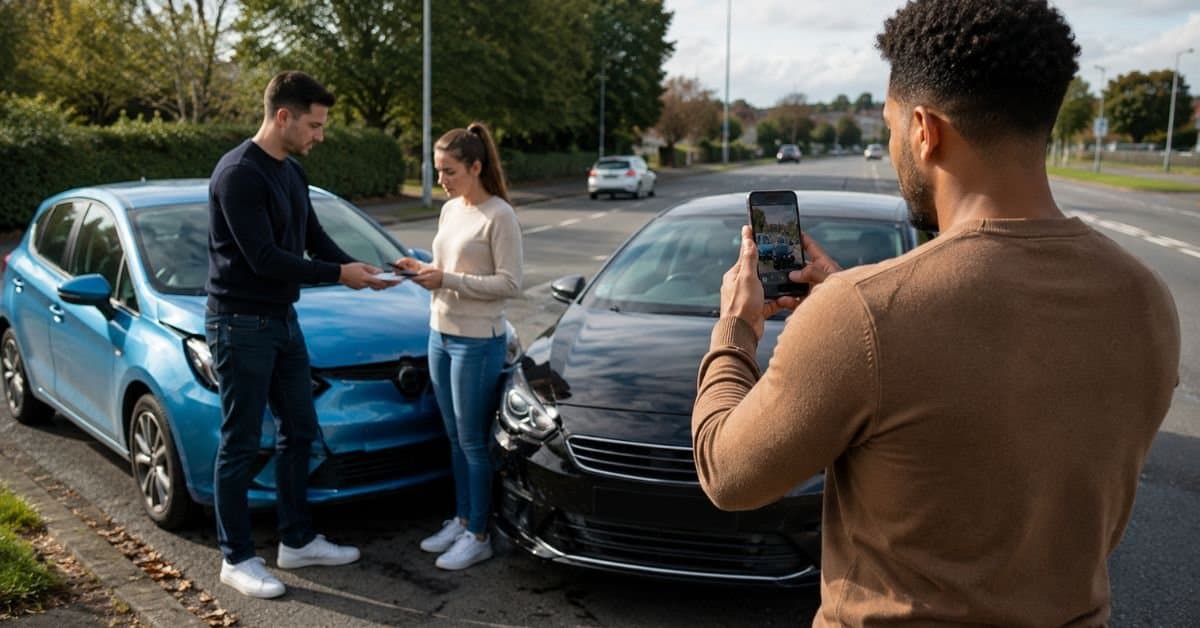
Photo shared by Henry Smith: A cashback mortgage can sound appealing: take out a mortgage and receive a lump sum after completion
HS
Henry Smith@mrhenrysmith· Thursday at 1:50 PM

What to Do After a Car Accident: Steps to Protect Your Rights

A car accident can leave you shaken, confused and unsure about what to do next. From exchanging details and preserving evidence to notifying your insurer and arranging repairs, the decisions you make in the minutes and days afterwards can have a lasting impact. If you need help understanding the practical steps following a non-fault collision, speaking with an accident management specialist (https://continentalcarhire.co.uk/) can help you understand your options and handle the process more confidently. The priority is always safety. Once everyone is safe, taking a calm and organised approach can help preserve important evidence, meet reporting requirements and protect your interests while the circumstances of the accident are properly assessed. 1. Put Safety First After a collision, stop as soon as it is safe to do so and assess the situation. If possible, move to a place of relative safety and switch on your hazard warning lights. If anyone is seriously injured, there is immediate danger or the road is obstructed, contact the emergency services. The Highway Code advises moving uninjured people to a place of relative safety where appropriate and not moving injured people unless they are in immediate danger. Do not put yourself or others at additional risk simply to photograph the scene or inspect vehicle damage. 2. Exchange the Relevant Details Once it is safe, exchange information with the other driver. This should include details such as names, addresses and vehicle registration numbers. You may also need insurance information and details of the vehicle owner if the driver is not the owner. UK rules require drivers involved in collisions causing damage or injury to stop and provide relevant details to people with reasonable grounds for requesting them. If the required details are not exchanged at the scene, the accident must be reported to the police as soon as reasonably practicable and, in any event, within 24 hours. 3. Avoid Admitting Fault at the Scene An accident can be stressful, and it is easy to say something impulsively. Avoid arguing about who was responsible or making assumptions about liability. Instead, keep conversations factual. You may not have seen everything that happened, and factors such as road conditions, traffic signals, vehicle positions, witnesses or camera footage could provide important context. Being polite and cooperative does not mean accepting responsibility before the circumstances have been properly established. 4. Collect Evidence If It Is Safe Evidence can become important when accounts of an accident differ. If conditions allow, photograph: Damage to all relevant vehicles Vehicle registration plates The overall road layout Junctions, signs and traffic signals Road markings Debris or skid marks Weather and road conditions Take both wider photographs and close-ups. A wider image can show the context of the collision, while detailed photographs can document specific damage. The Highway Code also recognises the value of recording information about the scene, including photographs, where possible. 5. Record Witness and Dashcam Information If independent witnesses saw the collision, ask for their contact details rather than asking them to decide who was at fault. If you have dashcam footage, save the relevant recording before it is automatically overwritten. You can also make a note of nearby businesses or properties that may have CCTV, although access to such footage will depend on the circumstances. The earlier potential evidence is identified, the less likely it is that useful information will be overlooked. 6. Write Down Your Own Account Your memory of an accident may become less precise as time passes. As soon as reasonably possible, write down what you remember. Include the date, time and location, your direction of travel, traffic and weather conditions, what happened immediately before the collision and the sequence of events afterwards. Stick to facts you genuinely remember. Do not fill gaps by guessing. 7. Notify Your Insurer Promptly Even if you do not intend to make a claim yourself, you should notify your insurance company about an accident. GOV.UK specifically advises drivers to report an accident to their insurer even when they are not planning to claim. Provide accurate information and keep your claim or incident reference number. Avoid exaggerating damage or injuries, and do not guess when you are unsure about a detail. Your insurance policy may also contain specific requirements about reporting accidents and handling repairs, so check its terms. 8. Don't Assume Your Vehicle Is Safe to Drive Visible damage does not always show the full extent of a collision. Steering, suspension, wheels, tyres, structural components, sensors and other safety systems can potentially be affected. If you are unsure whether the vehicle is roadworthy, arrange an appropriate assessment or recovery rather than taking an unnecessary risk. A proper inspection can help establish what repairs are required and whether there is hidden damage that was not immediately apparent. 9. Understand Your Options Before Agreeing to Anything Following an accident, you may be offered different options for repairs, vehicle recovery, replacement transport or claim handling. Before agreeing, ask: Who will assess and repair the vehicle? What costs could I be responsible for? Is a replacement vehicle available? How long is it expected to be provided? Who will communicate with the insurer? What documents or agreements am I being asked to accept? Do not sign anything you do not understand. If an arrangement is unclear or has significant financial or legal implications, consider obtaining appropriate independent advice. 10. Keep a Complete Accident File Create a physical or digital folder containing everything related to the collision. This could include photographs, witness information, insurance correspondence, claim references, repair estimates, vehicle assessments, recovery records and relevant receipts. Keeping documents together makes it easier to answer questions later and maintain a clear record of what happened. Common Mistakes to Avoid After a Car Accident Some mistakes are avoidable. Try not to: Leave the scene without complying with your legal obligations. Admit liability before the circumstances are established. Forget to collect relevant contact details. Take risks to obtain photographs or evidence. Delay notifying your insurer. Drive a vehicle that may be unsafe. Lose dashcam footage or important documents. Guess when providing information about the accident. Sign agreements you do not understand. A calm, factual and organised approach can make the aftermath considerably easier to manage. When Should You Seek Professional Advice? Not every accident requires specialist assistance, but additional advice may be sensible when liability is disputed, injuries are involved, losses are significant or the circumstances are particularly complicated. If you are considering a personal injury claim, GOV.UK provides specific guidance for road traffic accident claims, including the Official Injury Claim process for eligible lower-value injury claims in England and Wales. For questions about your individual legal position, consider speaking with an appropriately qualified legal professional. Final Thoughts Knowing what to do after a car accident can help you protect your position while the facts are still fresh. Put safety first, exchange the required information, document the scene where safe, preserve relevant evidence and notify your insurer promptly. Most importantly, avoid making assumptions about liability or agreeing to something you do not understand. A careful approach gives you a clearer record of the accident and puts you in a stronger position to deal with the practical steps that follow.

Photo shared by Henry Smith: A car accident can leave you shaken, confused and unsure about what to do next. From exchanging deta
HS
Henry Smith@mrhenrysmith· Thursday at 12:26 PM

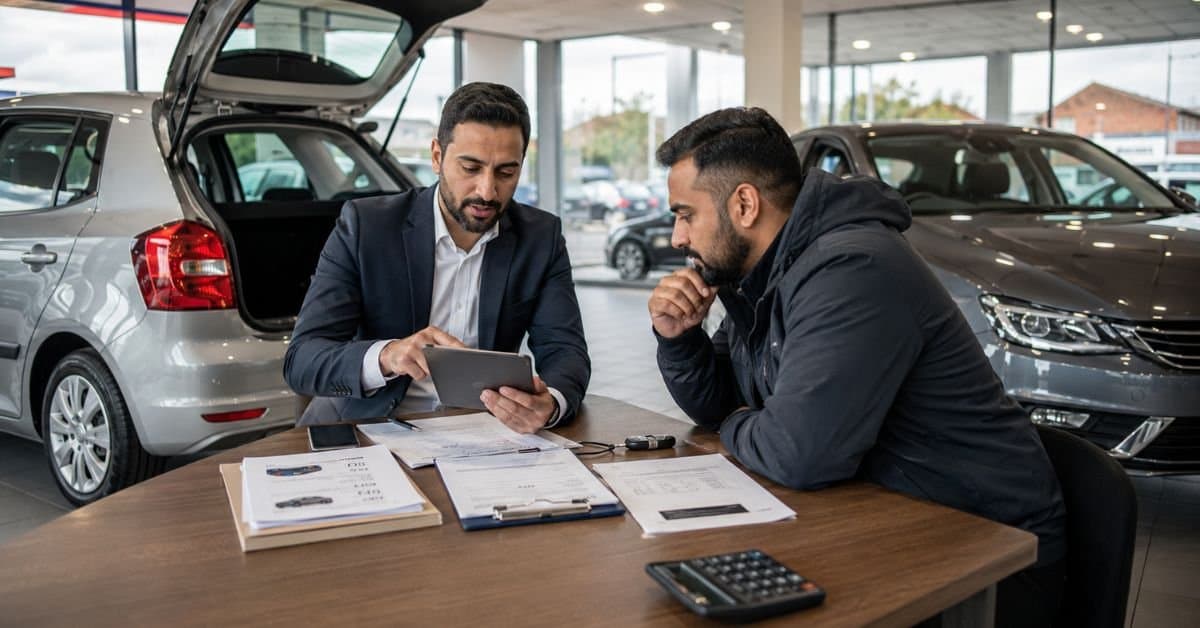
Part exchanging your car can be one of the simplest ways to change vehicles. Instead of selling privately and arranging a separate purchase, you trade your existing car towards another vehicle through a dealer. However, convenience does not always mean you are getting the best overall deal. Whether you are upgrading, downsizing or replacing an older vehicle, working with a trusted auto showroom can make the process more straightforward while helping you understand the value of your current car. Knowing how part-exchange valuations work and avoiding common mistakes can help you negotiate confidently and make a better-informed decision. How Does Car Part Exchange Work? A car part exchange involves a dealer assessing your current vehicle and assigning it a trade value. That value is then used as part of the payment towards the replacement car. For example, if your current car is valued at £6,000 and the replacement costs £16,000, the remaining difference is £10,000 before any other agreed costs or finance arrangements. The important point is to consider the overall transaction, rather than focusing only on the part-exchange figure. What Affects Your Car’s Part-Exchange Value? Dealers may consider several factors when valuing a vehicle, including: Age and mileage Overall mechanical and cosmetic condition Service and maintenance history MOT status Specification and optional equipment Previous damage Current market demand Ease of resale Online valuations can provide a useful starting point, but the final offer may change after the vehicle is physically inspected. Comparing your car with similar vehicles currently being advertised can also help you understand its approximate market position. Common Car Part Exchange Mistakes 1. Not Researching Your Car’s Value One of the easiest mistakes is arriving at a dealership without knowing roughly what your car is worth. Research comparable vehicles based on age, mileage, specification and condition. Remember that advertised retail prices are not necessarily the same as the price a dealer will offer to acquire a vehicle. How to avoid it: Get several valuations and use them as benchmarks rather than assuming one figure represents the definitive value. 2. Accepting the First Offer Different dealers may place different values on the same vehicle because their stock requirements, customer demand and resale expectations can vary. How to avoid it: Compare more than one offer where practical, but assess the complete deal rather than automatically choosing the highest part-exchange figure. 3. Focusing Only on the Part-Exchange Price A higher part-exchange allowance does not necessarily mean a better transaction. For example, Dealer A might offer £7,000 for your car but sell the replacement for considerably more than Dealer B, which offers £6,500 but has a lower price on the vehicle you want. How to avoid it: Compare the replacement car's price, part-exchange allowance, finance terms and any additional charges together. 4. Ignoring Outstanding Finance If your current car is financed, find out the amount required to settle the agreement before negotiating the part exchange. The value of your car and the amount remaining on the finance are separate figures. If the settlement amount is higher than the vehicle's agreed trade value, there is a shortfall that needs to be addressed. HMRC guidance describes this situation as negative equity. How to avoid it: Obtain an up-to-date settlement figure from your finance provider and understand exactly how it will be handled in the transaction. 5. Spending Too Much on Repairs Before Trading In It can be tempting to repair every scratch, replace older tyres or carry out expensive mechanical work before a valuation. However, the cost of a repair is not necessarily recovered through a higher part-exchange offer. How to avoid it: Deal with obvious, inexpensive issues where appropriate, but consider the likely return before paying for major cosmetic or mechanical work. 6. Arriving Without the Right Documentation Missing paperwork can make the process less straightforward. Useful documents and items can include the V5C, service records, MOT information, vehicle handbook and spare keys. When transferring a vehicle to the motor trade, DVLA provides a specific part-exchange process for the V5C. How to avoid it: Prepare your vehicle documents before visiting the dealer and keep personal or sensitive information from being unnecessarily copied or shared. 7. Hiding Damage or Mechanical Problems Trying to conceal faults may create problems when the vehicle is inspected. If the dealer discovers undisclosed damage or mechanical issues, the original valuation may be revised. How to avoid it: Be honest about the vehicle's condition and provide relevant information about previous repairs, accidents or known faults. 8. Neglecting the Car’s Presentation A dirty interior, excessive clutter or neglected exterior can make a poorly maintained vehicle appear worse than it is. How to avoid it: Clean the car thoroughly, remove personal belongings and address simple presentation issues before the valuation. 9. Forgetting to Check the Replacement Car Part exchange can make the selling process feel like the main event, but the vehicle you are buying deserves just as much attention. How to avoid it: Check the replacement car's history, condition, mileage, specification and documentation, and take an appropriate test drive before committing. 10. Not Reading the Final Agreement A deal can look attractive during negotiation but contain details that affect the final amount you pay. How to avoid it: Check the agreed vehicle price, part-exchange value, deposit, finance figures, settlement amount and additional charges before signing. Part Exchange vs Selling Privately Part exchange generally offers greater convenience because the sale of your existing vehicle and purchase of another can be handled as one transaction. A private sale may potentially produce a higher selling price, but it can involve advertising, enquiries, viewings, negotiations and payment arrangements. The right option depends on whether your priority is maximum selling price, convenience, speed or simplicity. How to Get a Fair Part-Exchange Deal Before visiting a dealer: Research comparable vehicles and your car's market position. Obtain more than one valuation where possible. Check any outstanding finance and request a settlement figure. Gather your V5C, service history and relevant documents. Clean and present the vehicle properly. Be honest about its condition and history. Compare the replacement car's price as well as the trade-in allowance. Review the complete transaction before signing. Final Thoughts Car part exchange can save time and simplify the process of changing vehicles, but avoiding common mistakes is essential if you want to make a well-informed decision. Researching your car's value, understanding outstanding finance, comparing the complete deal and checking the replacement vehicle can all help you avoid unnecessary costs. Rather than asking simply, “How much will I get for my car?”, consider the more useful question: “What is the total cost of changing my car?” That approach gives you a clearer basis for comparing part-exchange offers and choosing a deal that genuinely suits your budget and needs.

https://share.google/wjIkBvR8JJJMX6l2a
Photo shared by Henry Smith: Part exchanging your car can be one of the simplest ways to change vehicles. Instead of selling priv
HS
Henry Smith@mrhenrysmith· Thursday at 11:19 AM

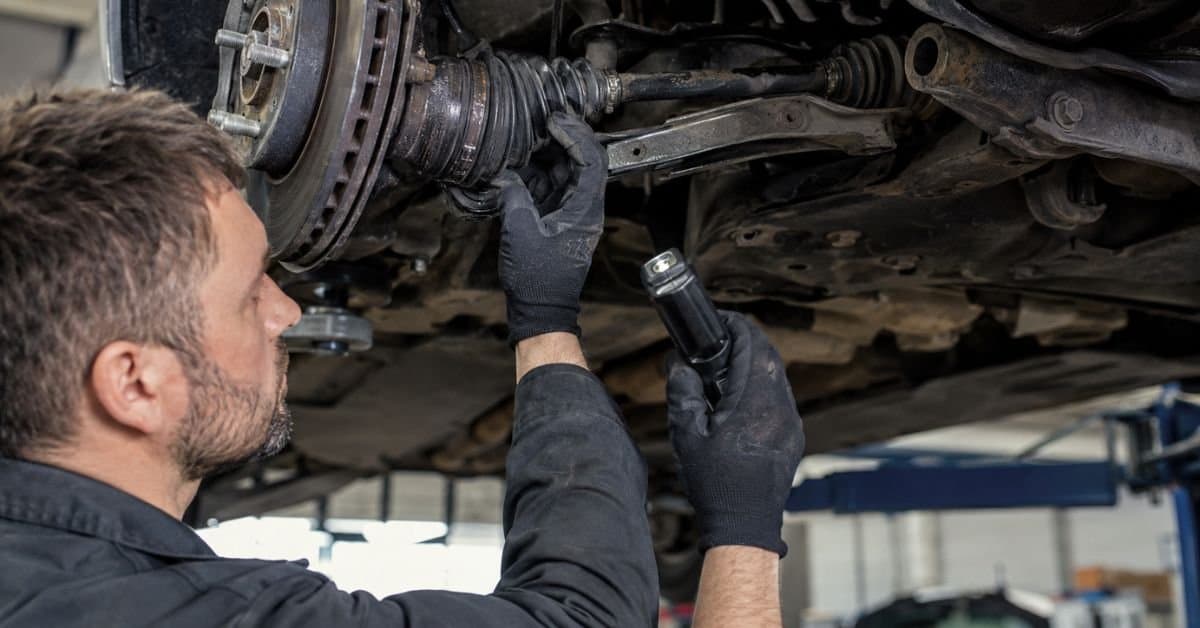
A car axle plays an important role in connecting the wheels to the vehicle’s drivetrain and helping deliver power while supporting smooth, controlled movement. When an axle or its related components develop a fault, early warning signs can include unusual noises, vibrations, handling changes or visible grease leaks. Recognising these symptoms early and seeking advice from a trusted car mechanic can help identify the underlying problem before it leads to further damage or more expensive repairs. Axle problems can have several causes, including pothole impacts, worn CV joints, accidents, corrosion and general wear. Understanding these common causes and warning signs can help UK drivers respond promptly and know when their vehicle requires professional attention. What Does a Car Axle Do? An axle is part of the assembly that supports or connects the wheels and, depending on the vehicle design, transfers driving force to them. Modern vehicles can use different axle and drivetrain arrangements, including drive axles, CV axles and solid or beam axles. Because axle components work alongside the wheels, suspension and drivetrain, a fault in one area can sometimes produce symptoms that resemble another mechanical problem. A proper inspection is therefore important before deciding that the axle itself is responsible. Common Causes of Car Axle Problems Potholes and Road Impacts Potholes, kerbs and uneven road surfaces can place significant shock loads through the wheel and suspension. A severe impact may bend or damage an axle or affect associated components such as CV joints, bearings or suspension parts. If the vehicle develops a new vibration, pulling sensation or unusual noise after hitting a pothole, arrange an inspection rather than assuming the problem will disappear. Worn CV Joints or CV Boots On many front-wheel-drive and independent-suspension vehicles, CV joints allow the driveshaft to transfer power while accommodating changes in steering and suspension movement. A damaged or split CV boot can allow grease to escape and dirt to enter, accelerating joint wear. Clicking or popping, particularly while turning under power, can be a warning sign of CV joint trouble. Accidents and Collisions Even a relatively low-speed collision can affect wheels, suspension and drivetrain components. An axle or driveshaft may become bent or damaged without producing an obvious visual sign. Following a significant impact, a professional inspection can help identify hidden damage before it develops into a larger mechanical or safety issue. Age, Corrosion and General Wear Axle-related components experience repeated loads during acceleration, braking and cornering. Over time, bearings, joints, seals and protective boots can deteriorate. Corrosion can also become a concern, particularly where components have been exposed to moisture, road contaminants or winter conditions. Common Signs of a Bad or Damaged Axle Clicking, Clunking or Grinding Noises Repeated clicking while turning can indicate a CV joint problem, while clunking or grinding may point to several drivetrain, wheel or suspension issues. The location and conditions under which the noise occurs can help a technician identify its source. Vibrations While Driving A damaged or poorly balanced drivetrain component can produce vibrations that become more noticeable as speed or load changes. However, wheel imbalance, tyres, bearings and suspension components can create similar symptoms, so diagnosis is important. Grease or Fluid Leaks Grease around the inside of a wheel or near a driveshaft can indicate a damaged CV boot. Other fluid leaks may originate from seals or differential components. Ignoring a leak can allow lubrication to deteriorate and increase component wear. Uneven Tyre Wear Uneven tyre wear does not automatically mean the axle is damaged. Incorrect wheel alignment, worn suspension components, tyre pressure problems and steering faults can also cause abnormal wear. If tyre wear appears alongside handling problems or impact damage, have the vehicle inspected. Changes in Handling Pulling to one side, unusual steering behaviour or instability should never be ignored. These symptoms can involve the axle, suspension, steering, wheels or tyres, and identifying the actual cause is essential for safe driving. Are Axle Problems Dangerous? They can be. The risk depends on the component affected and the severity of the damage. A severely damaged or deformed axle can affect vehicle stability and roadworthiness. The UK MOT inspection manual classifies a fractured or deformed axle as a dangerous defect, while certain insecure axle conditions can also be classified as major or dangerous. If you experience severe vibration, major handling changes, suspected structural damage, or a component that appears loose or broken, avoid continuing to drive the vehicle and seek professional assistance. How Are Car Axle Problems Diagnosed? Diagnosis normally starts with a visual inspection and may include checking: CV joints and protective boots Axle shafts and mounting points Bearings and seals Wheels and tyres Suspension and steering components Signs of grease or fluid leakage A technician may also road-test the vehicle where safe to reproduce symptoms and determine when noises or vibrations occur. Further inspection with the vehicle raised may be necessary. How Are Axle Problems Repaired? The appropriate solution depends on the cause and extent of the fault. A CV boot replacement may be sufficient when the boot is damaged but the joint remains in good condition. A worn CV joint may require replacement, while a seriously bent, cracked or otherwise structurally compromised axle may need complete replacement. Related faults involving bearings, seals, suspension or differential components should also be addressed rather than replacing the axle without confirming the underlying cause. How Much Does Car Axle Repair Cost in the UK? There is no single price for axle repair. Costs depend on the vehicle, parts required, labour rates and whether the problem involves a CV boot, joint, bearing, driveshaft or complete axle assembly. Getting an accurate diagnosis first can prevent unnecessary parts replacement and gives you a clearer idea of the total repair cost. How to Prevent Car Axle Problems You can reduce the risk of axle-related faults by: Slowing down for potholes and uneven surfaces. Avoiding unnecessary kerb impacts. Keeping tyres correctly inflated. Following the manufacturer's maintenance schedule. Checking for damaged CV boots or visible grease leaks. Addressing unusual vibrations or noises promptly. Having the vehicle inspected after a significant collision. Avoiding excessive loads beyond the manufacturer's limits. Regular checks are particularly valuable because axle, wheel, tyre and suspension conditions are all relevant areas of the UK MOT inspection process. Final Thoughts Car axle problems rarely have just one obvious symptom. Clicking noises, vibrations, leaks, uneven tyre wear and handling changes can all have multiple possible causes. The safest approach is to treat new or worsening symptoms seriously, identify the underlying fault and have significant damage assessed by a qualified professional. Early diagnosis can help prevent a relatively small component problem from developing into more extensive drivetrain, suspension or safety issues.

https://londonmotorsports.co.uk/contact-us/
Photo shared by Henry Smith: A car axle plays an important role in connecting the wheels to the vehicle’s drivetrain and helping