VVerdoos
Log in
MM

Mgirl Mgirl

@Mgirl

3 Posts0 Followers0 Following
MM
Mgirl Mgirl@Mgirl· October 30 at 3:08 AM

Are SFX Accessories in Witch Makeup Sets Worth Including

A parent opens a Witch Makeup Set the week before Halloween and finds a compact of green cream, a small brush, and a sealed packet containing a rubber nose and a strip of adhesive. By November the paint is spent and the packet is untouched. This small scene repeats in households each autumn, and it raises a question that matters to anyone assembling or buying these kits. Do the prosthetics and special effects accessories inside a Witch Makeup Set get used, or do they sit in the box until the season ends? The answer tends toward the second outcome, and the reasons are practical rather than mysterious. A rubber prosthetic demands skin preparation, adhesive, careful blending at the edges, and a removal process that can pull at sensitive skin. A parent helping a child before a party has limited patience for that sequence. A hobbyist working alone may lack the practice to make the seams disappear. The accessory that promised a dramatic transformation requires a skill level the buyer may not hold, and so it stays sealed while the paint does the work. Manufacturers include these components for reasons that have little to do with the mirror. A molded nose or pointed ear on the box signals completeness. A photograph showing a full face transformation sells an idea, and the buyer imagines the finished look rather than the steps required to reach it. Retail listings lean on this effect, and a kit that appears to offer a complete costume earns attention on a crowded shelf. The gap between that promise and the buyer's actual evening is where disappointment lives. Jinhua Mgirl has produced cosmetic sets and cases long enough to observe which components buyers return to and which remain in their packaging. The pattern holds across seasons. Color products get consumed, while adhesives and molded pieces included without guidance tend to stay untouched. That observation shapes how the company approaches a Witch Makeup Set, because a box filled with unused parts carries cost the buyer pays without receiving value in return. A kit built around color, coverage, and a small number of well-chosen effects tends to satisfy buyers across skill levels, while a kit built around complexity tends to impress on the shelf and frustrate at the table. Where a molded piece does belong, the packaging should carry clear application steps and a note on preparing the skin. Where the kit serves children, washable color deserves priority over adhesive attachments. Matching contents to the buyer's ability serves the first use and the repeat purchase alike. Every component in a box carries material cost, assembly time, and packaging space. A kit padded with accessories that rarely reach the face charges the buyer for goods that stay sealed, and trimming those contents can lower the price or free room to invest in pigment quality and coverage. A leaner kit that performs earns loyalty, while a crowded one that disappoints earns a return. Buyers comparing options can ask which components they will actually apply and which will sit until they expire. Jinhua Mgirl approaches Halloween and dress-up sets with that question in view, and brands or retailers examining how a Witch Makeup Set can be assembled around genuine use can review the range at https://www.mgirlcosmetic.com, where the contents reflect what buyers reach for rather than what fills a shelf. A kit earns its place by being opened, used, and opened again.

Photo shared by Mgirl Mgirl: A parent opens a Witch Makeup Set the week before Halloween and finds a compact of green cream, a sm
MM
Mgirl Mgirl@Mgirl· August 25 at 3:24 AM

How Does JinhuaMgirl Approach Kids Makeup Kit Development

Children often enjoy imaginative activities that allow them to imitate everyday routines, create characters, and explore different styles. Beauty-themed play is one such activity, especially when colorful palettes, lip products, brushes, mirrors, and attractive cases are presented together. Yet when a product is intended for young users, skin suitability becomes an important consideration. Can a Kids Makeup Kit be designed with sensitive skin in mind while still providing an enjoyable experience? The answer depends on thoughtful product development rather than appearance alone. Young skin can be delicate, so manufacturers need to consider formulation, ingredient selection, product texture, packaging, application tools, and usage guidance as part of one complete development process. A playful appearance may attract attention, but responsible product planning helps create an experience that parents can understand and evaluate with confidence. A gentle product concept begins with careful consideration of the formulation. Ingredients should be selected according to the intended application, product category, age guidance, and applicable market requirements. For children's cosmetic play products, manufacturers can evaluate the formula through appropriate testing and documentation rather than relying only on promotional descriptions. Jinhua Mgirl Cosmetic Co., Ltd. provides cosmetic manufacturing services covering formulation development, production, packaging, and related quality procedures. Buyers can discuss specific product requirements with the manufacturer when developing a private-label collection. This approach allows formula characteristics, product combinations, package styles, and intended markets to be considered during the development stage. A children's beauty set is not simply a smaller version of an adult collection. The overall concept should reflect the age group, play scenario, package format, and expected method of use. A compact case can make pretend play feel organized, while soft colors, playful graphics, and coordinated accessories can create a friendly visual identity. Product composition is also worth considering. Different sets may contain lip gloss, eyeshadow, blush, brushes, mirrors, or decorative accessories. The exact combination can be selected according to the target market and intended play activity. MgirlCosmetic offers children's cosmetic sets with different combinations and presentation styles, giving buyers options when planning a themed product line. For buyers developing a private-label range, customization can influence the final presentation. Packaging dimensions, colors, graphics, product combinations, and branding elements can be discussed during development. This allows a collection to maintain a consistent visual theme while addressing practical requirements for storage, transportation, display, and daily use. Packaging has a role beyond attracting attention on a retail shelf. A well-planned package can help organize individual items, reduce unnecessary handling, and make storage easier after playtime. Clear product information can also help parents understand the contents, intended use, and relevant precautions. For online retail, package presentation becomes especially important because shoppers often make their first judgment from product photographs. A colorful case, coordinated accessories, and an organized interior can communicate the character of a collection without excessive promotional wording. Practical packaging can also make a product easier to carry during family trips, parties, or indoor play activities. Quality management is another important part of product development. Raw material selection, formula preparation, filling, packaging, inspection, storage, and batch management can all influence the consistency of finished goods. A reliable manufacturing process should therefore cover multiple stages rather than focusing only on final inspection. For children's cosmetic products, quality procedures should correspond with the intended market and applicable regulatory expectations. International buyers may have different documentation and testing requirements depending on the destination. Discussing these details before production can help clarify formula specifications, packaging materials, labeling information, inspection procedures, and other project requirements. A professional supplier can also support communication during the development process. This is useful for brands that want to create a customized collection instead of simply selecting an existing item. Clear communication about colors, textures, accessories, package artwork, product quantities, and labeling can help reduce misunderstandings during production. Creative play should remain an important part of the concept. Children often enjoy activities involving imitation, storytelling, dress-up, and role play. A carefully designed collection can combine these interests with colorful presentation and easy-to-understand accessories. The purpose is not necessarily to reproduce an adult beauty routine. Instead, cosmetic-themed products can function as props for imaginative activities. A child may pretend to prepare for a party, create a character, play with friends, or organize a beauty-themed game. Such activities can give the product a broader role within playtime while keeping the focus on imagination. JinhuaMgirl has experience in cosmetic product development and manufacturing, with product categories covering eyeshadow, powder products, lipstick, lip gloss, eyeliner, nail products, mascara, cosmetic sets, and cosmetic cases. This range gives buyers opportunities to consider different product combinations when planning a children's collection. For brands entering the children's beauty category, supplier selection involves several considerations. Product development capability, documentation, manufacturing conditions, customization services, communication, and quality management can all influence a project. Reviewing these areas before cooperation can help buyers identify whether a supplier fits their development needs. A manufacturer's website can also provide useful information before direct communication begins. Product pages, company information, manufacturing details, and available categories allow buyers to understand the supplier's capabilities and prepare specific questions for a potential project. Developing products for young users requires a balance between creativity, practicality, formulation considerations, packaging, and quality management. Sensitive skin can be one factor within that broader process, but it should not be treated as a simple promotional phrase. Formula development and product claims should always be supported by suitable evaluation and documentation. For brands looking for a manufacturing partner, reviewing available product formats can provide a useful starting point. The Kids Makeup Kit collection at https://www.mgirlcosmetic.com allows buyers to examine children's cosmetic product possibilities and consider suitable directions for private-label or OEM/ODM development.
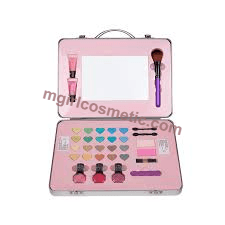
Photo shared by Mgirl Mgirl: Children often enjoy imaginative activities that allow them to imitate everyday routines, create cha
MM
Mgirl Mgirl@Mgirl· August 21 at 4:28 AM

Why Brands Engage MgirlCosmetic JinhuaMgirl as Liquid Foundation Manufacturer Source

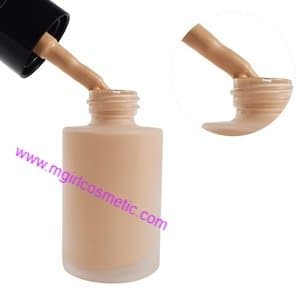
Formulators and brand developers seeking consistent base products examine the sequence of operations that transform raw components into finished liquid foundations ready for market distribution. Understanding the approach of a Liquid Foundation Manufacturer reveals how ingredient preparation blending filling and inspection stages interconnect while mgirlcosmetic resources from Jinhua Mgirl Cosmetic illustrate practical implementations of these stages within an established facility. What sequence of actions maintains formula integrity from initial weighing to sealed packaging? Raw material reception begins with verification against supplier documentation and internal specifications so that pigments emollients emulsifiers and preservatives enter production only after confirmation of identity and purity. Weighing stations operate under controlled conditions to ensure accurate proportions that match approved recipes. Premixing of oil and water phases occurs in dedicated vessels where temperature and agitation rates receive continuous monitoring to achieve uniform dispersion before combination. Homogenization follows to reduce particle size and create a stable emulsion that resists separation during storage and use. Transfer to filling lines takes place within purified environments designed to limit airborne contaminants. Automated or semi-automated equipment dispenses precise volumes into bottles or tubes while sensors detect fill-level deviations. Capping labeling and coding operations proceed in sequence with visual and mechanical checks at each transition. In-process samples undergo evaluation for viscosity color match and spread characteristics so that adjustments can occur before an entire batch advances. A Liquid Foundation Manufacturer applies these checks to safeguard consistency across successive production runs. Laboratory support underpins every phase through microbiological and physicochemical testing. Samples drawn at defined intervals receive examination for microbial limits pH stability and compatibility with packaging materials. Stability protocols subject retained units to accelerated and real-time conditions that simulate distribution and consumer storage environments. Documentation generated at each checkpoint forms a traceable record that accompanies the finished goods. Personnel training and environmental monitoring reinforce these technical controls. Operators follow gowning procedures and hygiene protocols appropriate to cleanroom classifications. Surfaces equipment and air quality undergo scheduled sampling to confirm ongoing compliance with established limits. Finished units receive final visual inspection and functional checks before release for shipment. Further reference to Liquid Foundation Manufacturer practices appears when partners review long-term stability data generated under controlled conditions. Those seeking additional information on available formulations production capabilities and collaboration options may review the range of liquid foundation items presented at https://www.mgirlcosmetic.com/ where specifications and service details support evaluation of manufacturing partnerships.

Photo shared by Mgirl Mgirl: Formulators and brand developers seeking consistent base products examine the sequence of operations