VVerdoos
Log in
CC

Carlamp Carlamp

@Carlamp

6 Posts0 Followers0 Following
CC
Carlamp Carlamp@Carlamp· November 9 at 2:23 AM

Why Some Keep Sequential Modified Tail Lights Years Later

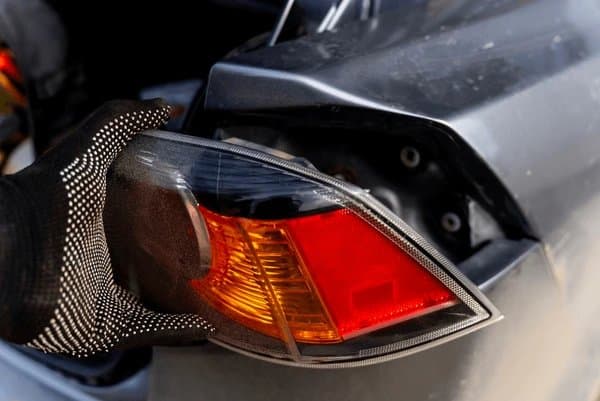
Many vehicle owners explore sequential lighting options when seeking a distinct rear signature that combines motion with clear signaling. Questions about long-term satisfaction often arise once the initial novelty fades and daily use begins. Factors such as consistent illumination, weather resistance and straightforward integration influence whether the change remains welcome over time. Discussions on forums and review platforms frequently turn to real-world results rather than promotional claims.Modified Tail Lights from carlamp-Factory receive attention in these conversations because certain assemblies address common points of concern through careful construction and function alignment. What elements determine if an owner continues to appreciate the upgrade months or years later? Sequential designs create a progressive illumination pattern during turn indication, which many find distinctive on the road. The effect draws notice without relying on excessive brightness that might distract surrounding traffic. Owners who select units with balanced output often report that the animation remains effective in both daylight and low-light settings. Proper sealing against moisture and dust contributes to sustained performance, particularly in regions with frequent rain or road salt exposure. Housing materials that resist impact and ultraviolet degradation help maintain the original appearance through seasons of use. Wiring that matches factory connectors reduces the chance of electrical complications during installation and afterward. Feedback from those who completed the process themselves or through professional shops tends to focus on preparation and verification of vehicle compatibility. Confirming the exact model year and existing lighting configuration prevents mismatched fitment that could require additional adjustments. Assemblies designed for direct replacement allow the original mounting points and harnesses to remain undisturbed. Once installed, the sequential sequence activates reliably when the turn signal engages, and the running and brake functions operate independently as intended. Owners who prioritize these practical details rarely express second thoughts about the decision. Daily driving conditions test the upgrade in ways that showroom viewing cannot. Highway speeds, city traffic and occasional rough roads all place demands on the housing integrity and light output consistency. Units that maintain uniform intensity across the sequential path earn positive remarks for predictable signaling that other drivers recognize quickly. Those who travel in varied climates note that temperature extremes and precipitation have limited effect when the enclosure meets solid environmental protection standards. Over extended periods the absence of flickering or premature dimming supports continued confidence in the system. Appearance considerations also play a role in lasting approval. A smoked or tinted lens paired with sequential elements can create a cohesive rear profile that aligns with other exterior modifications. Clear lens versions offer a different visual character that emphasizes the internal layout of the lighting elements. Owners who match the style to the overall vehicle design often feel the change enhances the presence of the car or truck without appearing out of place. The progressive motion of the turn signal adds a dynamic quality that remains satisfying each time it activates. Maintenance requirements stay minimal for well-constructed examples. Occasional cleaning of the outer surface preserves light transmission, and inspection of the seals during routine vehicle service helps catch any potential issues early. Because the light sources themselves operate with low heat and high efficiency, the need for frequent replacement stays low. This combination of stable performance and limited upkeep contributes to the sense that the installation continues to deliver value without ongoing complications. Community discussions sometimes surface isolated cases of dissatisfaction, yet these typically trace back to incorrect product selection or incomplete installation rather than inherent design flaws. Choosing assemblies that carry appropriate certifications and match the vehicle's electrical characteristics reduces the likelihood of such outcomes. When the sequential function, brake response and reverse illumination all operate as expected from the first day, owners tend to settle into the new lighting arrangement and simply enjoy the updated appearance and signaling clarity. Drivers who have lived with the sequential pattern through multiple seasons often describe a quiet confidence that develops after the first few weeks. The animation becomes part of normal driving rather than a constant focal point, yet it still registers as a deliberate and functional choice whenever the turn signal is used. Parking lot conversations occasionally turn to the rear lighting, and owners who receive questions usually answer with straightforward comments about the ease of the original installation and the absence of later electrical surprises. Night driving in wet conditions provides another practical test, as the progressive sequence remains visible without washing out or creating glare for following traffic. These everyday observations accumulate into a settled sense that the upgrade continues to serve its purpose without demanding extra attention. The same owners frequently mention the value of clear product information before purchase. Knowing the precise connector type, the lens finish options and the expected behavior of the sequential path allows a match between expectation and reality. When that alignment holds after installation, the chance of later dissatisfaction drops noticeably. Workshops that handle these upgrades regularly report similar patterns among their customers, noting that the majority return only for unrelated service rather than lighting corrections. This pattern of ordinary, uneventful ownership forms the quiet background against which most long-term experiences take shape. Modified Tail Lights supplied through carlamp-Factory appear among the options reviewed by owners seeking assemblies with documented fitment and sequential capability, and detailed product pages at https://www.carlamp-factory.com/ show the available configurations along with connector and lens information that support accurate selection for specific vehicle applications.
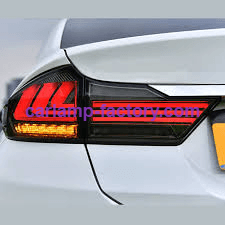

Photo shared by Carlamp Carlamp: Many vehicle owners explore sequential lighting options when seeking a distinct rear signature that
CC
Carlamp Carlamp@Carlamp· October 29 at 2:05 AM

Why Do Buttery Soft Workout Clothes Resist See-Through

A shopper tries on a pair of leggings in a fitting room, loves the brushed, weightless feel against her skin, then bends to check the mirror and sees the fabric stretch thin across her knees. The softness that drew her in creates the risk she just discovered, since the same brushing and thin gauge that produce a buttery hand feel can leave a fabric with little opacity under tension.Buttery Soft Workout Clothes solve this problem through construction choices rather than compromise, and the solution sits in the knit rather than in the surface finish. YogasuitFactory produces seamless activewear for brands across markets, and its approach shows how softness and coverage coexist in the same fabric. What actually keeps a thin, soft fabric from turning transparent when the body moves? Knit density determines how much light passes through stretched fabric. A fabric with tightly packed yarn loops leaves smaller openings for light to travel through, and those openings stay small even as the material stretches. Looser knits open up under tension, and the openings grow wide enough for light to pass and for the fabric to reveal what sits beneath. Mills adjust stitch density on circular knitting machines to produce a fabric that feels soft on the surface while maintaining enough structural tightness to resist transparency. Fabric weight provides a second layer of protection. Lightweight fabrics feel weightless against the skin, which is part of their appeal, but weight contributes to opacity. A fabric that sits at the lighter end of the range needs denser construction to achieve the same coverage as a heavier fabric, and mills balance the two variables rather than choosing one alone. The result is a fabric light enough for comfort and dense enough for coverage. Yarn composition and elastic content affect how the fabric behaves under stretch. Higher elastane content allows the fabric to extend and recover without permanent distortion, and a fabric that recovers well returns to its original density after movement. Spandex blends with nylon or polyester create the smooth surface that brushing enhances, and the fiber selection contributes to both the soft hand feel and the structural integrity that keeps the fabric opaque. Seamless construction supports coverage at the stress points. Cut-and-sew garments place seams where panels join, and those seams create both friction and areas where the fabric sits differently against the body. Seamless knitting produces a continuous tube with graduated compression zones, and the knitter controls density across the garment rather than applying one fabric throughout. Zones that face more stretch receive denser construction, and the fabric holds its opacity where movement demands it. Buttery Soft Workout Clothes that maintain coverage through squats and stretches depend on how the knit, weight, and fiber content work together, and getting all three right lets a garment feel weightless without turning transparent. YogasuitFactory works with brands on fabric specifications, stitch density, and compression zoning, and can develop samples that prove coverage under real movement before production begins. Brands sourcing Buttery Soft Workout Clothes can review construction options at https://www.yogasuitfactory.com/ and discuss requirements directly with the team. What separates a soft legging that performs from one that fails at the squat test often comes down to the fabric decisions made long before the first cut.

Photo shared by Carlamp Carlamp: A shopper tries on a pair of leggings in a fitting room, loves the brushed, weightless feel against
CC
Carlamp Carlamp@Carlamp· October 29 at 1:13 AM

Why Dark Tail Lights Need Different Internal Reflectors

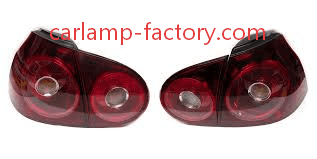
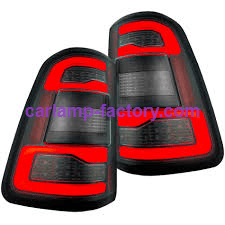
A driver swaps standard red tail lamps for a smoked set and notices the brake glow looks dimmer from a distance, even though the LEDs inside are unchanged. The tinted lens absorbs part of the light passing through it, and that absorption would make the lamp non-compliant if nothing inside compensated.Dark Tail Lights therefore differ from standard red assemblies in more than lens color, and the internal reflector design carries much of the difference. carlamp-Factory produces custom and sequential tail lamps for multiple vehicle platforms, and examining how reflector geometry changes for dark lenses shows where the engineering effort sits. What actually happens to light inside a housing when the outer lens turns dark? The reflector's job is to gather light from the source and direct it outward in a controlled pattern. A standard red assembly uses a reflector shaped to distribute light across the required photometric zones, with the red lens filtering the output to the correct color. When the lens becomes darker, it filters more light across the entire spectrum, so the same reflector geometry produces lower output at every measurement point. The reflector must therefore collect and concentrate more light before the lens reduces it, which means deeper reflector bowls and revised facet angles. LED selection accompanies the reflector change. Brighter emitters offset the absorption loss, and higher-output LEDs with tight binning keep performance consistent across production. A dark assembly that uses standard-output emitters relies entirely on reflector efficiency to meet requirements, which leaves little margin when lens tint varies between batches. Designers who pair revised optics with elevated emitter output build in the margin that production tolerances demand. Beam pattern matters as much as raw brightness. Photometric standards define zones where light must appear at specified intensities, and a reflector that concentrates light in the center while starving the edges fails even when total output looks adequate. Dark lens assemblies require facet designs that spread light evenly across these zones despite the absorption. Testing each design against the relevant standard confirms whether the pattern holds, and adjustments to facet depth and angle follow from those measurements. Heat management supports the optical work. Higher-output LEDs generate heat, and a dark lens traps some of the energy that a clear lens would release. Reflector housings with metalized surfaces and adequate thermal paths keep junction temperatures within range so output stays stable through long service. An assembly that meets photometric requirements when new but fades as heat accumulates fails the customer after months on the road. BaoZhiWei runs a complete production line that carries each tail lamp from assembly through testing, with CAD and CAE support behind the optical design. Buyers reviewing custom and sequential programs can examine the product range at https://www.carlamp-factory.com where model coverage and specifications appear. Dark Tail Lights that pass photometric testing with their tinted lenses give drivers the appearance they want without sacrificing the signal that following drivers depend on, and BaoZhiWei works with distributors and brands on assemblies that meet both aesthetic and regulatory requirements.

Photo shared by Carlamp Carlamp: A driver swaps standard red tail lamps for a smoked set and notices the brake glow looks dimmer from
CC
Carlamp Carlamp@Carlamp· October 29 at 1:12 AM

How Does Reflector Design Differ in Dark Tail Lights

A driver swaps standard red tail lamps for a smoked set and notices the brake glow looks dimmer from a distance, even though the LEDs inside are unchanged. The tinted lens absorbs part of the light passing through it, and that absorption would make the lamp non-compliant if nothing inside compensated.Dark Tail Lights therefore differ from standard red assemblies in more than lens color, and the internal reflector design carries much of the difference. carlamp-Factory produces custom and sequential tail lamps for multiple vehicle platforms, and examining how reflector geometry changes for dark lenses shows where the engineering effort sits. What actually happens to light inside a housing when the outer lens turns dark? The reflector's job is to gather light from the source and direct it outward in a controlled pattern. A standard red assembly uses a reflector shaped to distribute light across the required photometric zones, with the red lens filtering the output to the correct color. When the lens becomes darker, it filters more light across the entire spectrum, so the same reflector geometry produces lower output at every measurement point. The reflector must therefore collect and concentrate more light before the lens reduces it, which means deeper reflector bowls and revised facet angles. LED selection accompanies the reflector change. Brighter emitters offset the absorption loss, and higher-output LEDs with tight binning keep performance consistent across production. A dark assembly that uses standard-output emitters relies entirely on reflector efficiency to meet requirements, which leaves little margin when lens tint varies between batches. Designers who pair revised optics with elevated emitter output build in the margin that production tolerances demand. Beam pattern matters as much as raw brightness. Photometric standards define zones where light must appear at specified intensities, and a reflector that concentrates light in the center while starving the edges fails even when total output looks adequate. Dark lens assemblies require facet designs that spread light evenly across these zones despite the absorption. Testing each design against the relevant standard confirms whether the pattern holds, and adjustments to facet depth and angle follow from those measurements. Heat management supports the optical work. Higher-output LEDs generate heat, and a dark lens traps some of the energy that a clear lens would release. Reflector housings with metalized surfaces and adequate thermal paths keep junction temperatures within range so output stays stable through long service. An assembly that meets photometric requirements when new but fades as heat accumulates fails the customer after months on the road. BaoZhiWei runs a complete production line that carries each tail lamp from assembly through testing, with CAD and CAE support behind the optical design. Buyers reviewing custom and sequential programs can examine the product range at https://www.carlamp-factory.com where model coverage and specifications appear. Dark Tail Lights that pass photometric testing with their tinted lenses give drivers the appearance they want without sacrificing the signal that following drivers depend on, and BaoZhiWei works with distributors and brands on assemblies that meet both aesthetic and regulatory requirements. A driver swaps standard red tail lamps for a smoked set and notices the brake glow looks dimmer from a distance, even though the LEDs inside are unchanged. The tinted lens absorbs part of the light passing through it, and that absorption would make the lamp non-compliant if nothing inside compensated.Dark Tail Lights therefore differ from standard red assemblies in more than lens color, and the internal reflector design carries much of the difference. carlamp-Factory produces custom and sequential tail lamps for multiple vehicle platforms, and examining how reflector geometry changes for dark lenses shows where the engineering effort sits. What actually happens to light inside a housing when the outer lens turns dark? The reflector's job is to gather light from the source and direct it outward in a controlled pattern. A standard red assembly uses a reflector shaped to distribute light across the required photometric zones, with the red lens filtering the output to the correct color. When the lens becomes darker, it filters more light across the entire spectrum, so the same reflector geometry produces lower output at every measurement point. The reflector must therefore collect and concentrate more light before the lens reduces it, which means deeper reflector bowls and revised facet angles. LED selection accompanies the reflector change. Brighter emitters offset the absorption loss, and higher-output LEDs with tight binning keep performance consistent across production. A dark assembly that uses standard-output emitters relies entirely on reflector efficiency to meet requirements, which leaves little margin when lens tint varies between batches. Designers who pair revised optics with elevated emitter output build in the margin that production tolerances demand. Beam pattern matters as much as raw brightness. Photometric standards define zones where light must appear at specified intensities, and a reflector that concentrates light in the center while starving the edges fails even when total output looks adequate. Dark lens assemblies require facet designs that spread light evenly across these zones despite the absorption. Testing each design against the relevant standard confirms whether the pattern holds, and adjustments to facet depth and angle follow from those measurements. Heat management supports the optical work. Higher-output LEDs generate heat, and a dark lens traps some of the energy that a clear lens would release. Reflector housings with metalized surfaces and adequate thermal paths keep junction temperatures within range so output stays stable through long service. An assembly that meets photometric requirements when new but fades as heat accumulates fails the customer after months on the road. BaoZhiWei runs a complete production line that carries each tail lamp from assembly through testing, with CAD and CAE support behind the optical design. Buyers reviewing custom and sequential programs can examine the product range at https://www.carlamp-factory.com where model coverage and specifications appear. Dark Tail Lights that pass photometric testing with their tinted lenses give drivers the appearance they want without sacrificing the signal that following drivers depend on, and BaoZhiWei works with distributors and brands on assemblies that meet both aesthetic and regulatory requirements.

CC
Carlamp Carlamp@Carlamp· October 19 at 2:11 AM

How Can You Confirm a Dark Tail Lights Supplier Offers OEM/ODM Customization

Buying modified lighting overseas carries risk, and the moment a purchase manager asks how to verify if a Dark Tail Lights Supplier supports OEM/ODM customization, the answer usually sits inside the factory rather than the sales email. Custom work means new molds, revised circuit boards, and lens colors matched to a client's sample. A trader cannot deliver that. A manufacturer can. BaoZhiWei Vehicle Industry, known online as carlamp-Factory, builds its own tooling in Taizhou, Zhejiang, a city locals call the Kingdom of Plastics, and that single fact changes how a buyer should read every quotation. A real Dark Tail Lights Supplier will show the line, not just describe it. So where should a buyer start? Start With the Factory Floor A genuine OEM/ODM partner will invite a video tour or an in-person visit without hesitation. Watch for in-house mold storage, CAD/CAE/CAM workstations, and a clean assembly line. BaoZhiWei runs a complete high-speed production line from molding to testing, and the workshop cleanliness meets the standards needed for quality car lighting output. Buyers who request a walkthrough receive a straight answer and a scheduled time. That openness separates a factory from a reseller, and it tells you within one call whether the team actually owns its equipment. Ask for Documentation, Not Promises Request drawings, material specs, and test reports before any deposit. A factory that designs its own products keeps these files on hand and shares them under NDA. Ask how the team handles a new lens curvature or a sequential turn signal pattern. Answers that mention CAD modeling, mold trials, and photometric checks show genuine capability. Vague replies about "good cooperation" reveal little, and they usually mean the work gets outsourced to someone else. Test With a Sample Order Custom capability shows up fastest in a small run. Order samples with a modified lens tint or a revised connector, then inspect fitment, waterproofing, and CAN-bus behavior. BaoZhiWei supports sample orders so buyers can judge quality before committing to volume. Check whether the sample matches the approved drawing, and confirm the production line will use the same molds. A supplier that swaps tooling between sample and bulk run will cost you returns later. Confirm Communication and After-Sales Terms OEM/ODM projects run on clear communication. Confirm who handles engineering questions, how revisions get approved, and what happens if a batch fails inspection. Ask for a named contact rather than a shared inbox. A team with a customer-centric service mission documents each step, and that habit shows up in how quickly questions get answered during the quoting stage. Look at What the Factory Already Builds A supplier's existing catalog hints at tooling depth. BaoZhiWei produces Sonata, Camry, Sagitar, and Cruze lighting projects alongside truck and SUV lines, plus daytime running lights and rear lip pieces. That range means the mold shop stays busy, and a busy mold shop handles custom requests without starting from zero. Buyers planning a new lens shape or a fresh sequential pattern can walk the current lineup at https://www.carlamp-factory.com/ and judge whether the design language fits their market before sending a single drawing. Put the Questions to the Team Verification comes down to evidence: factory access, engineering files, sample performance, and written terms. BaoZhiWei welcomes buyers who want to see the molding area, meet the engineering staff, and run a trial order before signing anything long-term. The company sits a short drive from the G15 expressway exit and the Yongtaiwen high-speed rail station, so a sourcing trip can include a same-day visit. Bring your drawings, ask about mold ownership, and watch how the team responds. A supplier confident in its OEM/ODM process will answer every question and invite the next one. Would your next lighting project survive that conversation?

Photo shared by Carlamp Carlamp: Buying modified lighting overseas carries risk, and the moment a purchase manager asks how to verify
CC
Carlamp Carlamp@Carlamp· August 20 at 1:28 AM

What Custom Solutions Can BaoZhiWei & Carlamp-Factory Offer as Car Led Tail Lights Supplier

Crossborder aftermarket procurement brings complex practical obstacles for global merchants who hunt lamp assemblies compatible with original vehicle shell contours, internal wiring layouts and rearbody mounting frameworks. Many sourcing teams devote substantial working hours toward sample fitment confirmation, fixture compatibility evaluation and capacity review for factories tasked with orders spanning separate automobile families.Car Led Tail Lights Supplier BaoZhiWei conducts project coordination via carlampFactory, where technical groups process blueprint auditing, fixture adjustment and component validation for varied automobile platforms, so can established manufacturing resources align with your target model inventories? Facility spaces situated within Taizhou hold custom tooling sets built against physical dimensions of original automobile sparepart samples, and technical operators examine shell curvature, connector pin definition and mounting hole positioning for every referenced vehicle variant ahead of formal production workflows. Each finished lamp assembly passes structured inspection steps covering signal transmission stability, shell sealing performance and physical installation fit, and such inspection routines apply equally for sedan units, sport utility vehicles and lightduty pickup products circulating inside crossborder aftermarket distribution networks. Project teams accept reference materials including original physical samples, dimension spreadsheets or thirdparty scanning documents submitted by overseas collaborative partners, and these reference files establish tangible foundations for fixture adjustment whenever existing tooling sets cannot accommodate niche automobile variants. Raw component selection observes established specifications formulated for automotive exterior assemblies, and outer shell blanks go through hardness and sealing performance assessment prior to assembly sequences. Internal module layout partitions brake signal sections, daytime running light zones, reverse lamp components and sequential turn signal modules following original factory wiring logics, and adjustment proposals around lightactivation sequences enter consultation phases during earlystage project communication cycles. Every completed unit retains physical outlines that sit flush against automobile rearbody panels once installation completes, and connector frameworks sustain precise alignment with stock vehicle wire harness without destructive alteration toward onboard automobile circuits. Incoming project enquiries originate from collaborative parties spread across multiple geographic zones, with requirement files tied to Toyota, Honda, Chevrolet, Mazda and Nissan automobile product ranges, and project coordinators sort each incoming submission according to vehicle generation, release calendar and regional market release editions, because identical market nameplates carry differentiated rearend structural frameworks for territories across separate continents. Merchants arranging inventory batches require clear acknowledgement about regional fitment properties, as lamp shell outlines and inner wiring structures shift for units manufactured toward NorthAmerican, SoutheastAsian or domestic release markets, and misjudgment over regional version specifications generates tangible barriers for downstream retail and wholesale distribution workflows. Document exchange channels, sample confirmation procedures and progress tracking pathways remain accessible throughout full project cycles, and enquiry feedback reaches overseas collaborative partners despite gaps originating from differing time zones. Technical staff map out feasible resolution frameworks for most aftermarketoriented application scenarios, and collaborating parties gain access to complete lamp assemblies built for plugin mounting operations, which lower manual workload requirements for repair workshops and aftermarket modification installers. Buyers can browse physical product showcases and specification documentation at https://www.carlampfactory.com/, where each listed entry marks corresponding automobile generations plus core functional configurations attached to each lamp assembly unit. Professional and dependable Car Led Tail Lights Supplier delivers stable sourcing cycles whenever factory operators accumulate handson operational exposure across broad vehiclemodel spectrums, and collaborative parties escape repeated sampleremaking cycles triggered through incomplete recognition of automobile rearend structural characteristics. Each manufacturing project develops around realworld fitment conditions tied to target automobiles rather than generalized speculative assumptions, and such operational frameworks deliver predictable execution outcomes for bulkvolume orders prepared for circulation inside worldwide aftermarket ecosystems.

Photo shared by Carlamp Carlamp: Crossborder aftermarket procurement brings complex practical obstacles for global merchants who hun