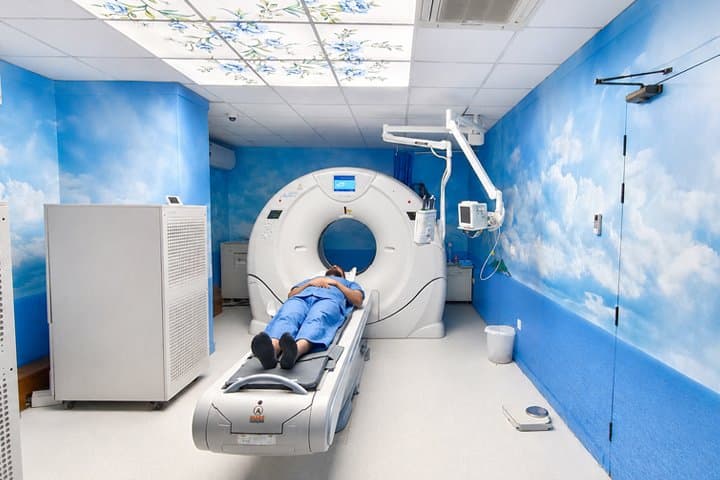
Early Detection of Coronary Artery Disease Through CT Angiography Coronary artery disease often stays silent for years — CT angiography gives doctors a way to catch it before it announces itself. The Problem With Waiting for Symptoms Coronary artery disease has a troubling habit of staying quiet. Plaque can build up inside the arteries for years without causing any noticeable symptoms, until a blockage becomes severe enough to trigger chest pain, shortness of breath, or in the worst cases, a heart attack. This silent progression is exactly why early detection matters so much, and why CT Coronary Angiography has become such a valuable tool for identifying disease before it reaches a crisis point. How Coronary Artery Disease Develops Unnoticed Plaque buildup, known as atherosclerosis, typically develops gradually. Fatty deposits accumulate along the artery walls, slowly narrowing the space available for blood flow. In the early stages, the heart often compensates well enough that patients feel nothing unusual, even as the underlying disease progresses. By the time symptoms appear, the artery may already be significantly narrowed, sometimes leaving less time and fewer treatment options than if the problem had been caught earlier. Why CT Angiography is Well-Suited for Early Detection CT Coronary Angiography is particularly effective for catching coronary artery disease in its earlier stages because it doesn't rely on symptoms being present or severe to produce a clear diagnostic picture. Using a contrast dye and detailed CT imaging, it visualizes the coronary arteries directly, revealing plaque buildup and narrowing even before it becomes severe enough to cause symptoms. This makes it especially valuable for patients who have risk factors for heart disease but haven't yet experienced any warning signs. Who Should Consider Early Screening? Certain groups of patients benefit significantly from proactive coronary screening, even in the absence of symptoms: Patients With a Family History of Heart Disease A close family history of early heart disease meaningfully raises personal risk, making early screening a reasonable step even without symptoms. Individuals With Risk Factors Like Diabetes or High Cholesterol Chronic conditions that damage blood vessels over time, such as diabetes, high cholesterol, and high blood pressure, increase the likelihood of silent plaque buildup, making periodic screening worthwhile. Smokers and Former Smokers Smoking significantly accelerates arterial damage, and screening can help identify how much impact it may already be having on coronary health. Patients With Unexplained Fatigue or Mild Symptoms Sometimes symptoms are subtle enough to be dismissed as general tiredness or minor discomfort. CT angiography can clarify whether these vague symptoms are connected to underlying coronary issues. Pre-Surgical Patients Before major surgery, especially in older patients or those with risk factors, screening for coronary artery disease helps anticipate and manage cardiac risk during the procedure. What Early Detection Actually Changes Catching coronary artery disease early doesn't just provide peace of mind — it fundamentally changes the range of options available for managing it. When plaque buildup is identified before it causes significant blockage, treatment often focuses on lifestyle changes, medication, and closer monitoring, rather than more invasive interventions. Patients diagnosed early also have the opportunity to make meaningful adjustments, such as dietary changes, increased physical activity, or better management of underlying conditions like diabetes or hypertension, potentially slowing or even halting disease progression. By contrast, disease that goes undetected until symptoms appear often requires more urgent, and sometimes more invasive, treatment, with fewer opportunities for gradual, lifestyle-based management. Assessing Plaque Type, Not Just Blockage Percentage One of the more nuanced benefits of CT angiography in early detection is its ability to assess not just how narrow an artery has become, but the type of plaque causing it. Soft, non-calcified plaque is generally considered more prone to sudden rupture, which can trigger a heart attack even when the overall blockage percentage seems moderate. Identifying this type of plaque early allows doctors to take a more proactive approach, even in cases where the narrowing itself might not yet seem severe by percentage alone. The Role of Screening in a Broader Prevention Strategy Early detection through CT angiography works best as part of a broader approach to cardiovascular health, rather than a standalone solution. Regular checkups, blood pressure monitoring, cholesterol management, and lifestyle habits all play a role alongside imaging-based screening. For patients with significant risk factors, periodic CT angiography can serve as a valuable checkpoint, helping doctors track whether preventive efforts are working or whether treatment needs to be adjusted. What the Screening Process Involves The appointment itself is straightforward and requires minimal preparation: Avoiding caffeine for a few hours before the scan, since it can elevate heart rate. A small IV line placed in the arm for the contrast dye injection. Lying still on the scanning table while the CT scanner captures detailed images of the coronary arteries, often completed within a second with modern high-slice scanners. A brief observation period afterward to ensure no reaction to the contrast dye. Most patients complete the entire process within an hour, with results typically available for their doctor to review shortly after. Balancing Benefits With Appropriate Use While early detection has clear advantages, CT angiography isn't necessarily recommended for every individual regardless of risk level. Doctors typically weigh factors like age, symptoms, risk factor profile, and family history before recommending screening, ensuring that the test is used where it provides genuine diagnostic value rather than as a routine screening for every patient regardless of risk. A Foundation for Long-Term Heart Health Diagnostic centres equipped with advanced CT angiography technology play an important role in supporting preventive cardiac care, especially for patients who want to stay ahead of potential heart issues rather than waiting for symptoms to appear. Many of these centres also provide a broader range of diagnostic services, including dental imaging such as 3D CBCT scans, OPG X-rays, and CEPH X-rays, allowing patients to manage multiple aspects of their long-term health under one roof. Final Thoughts Coronary artery disease rarely gives clear warning before it becomes serious, which is exactly why early detection matters so much. CT angiography offers a safe, non-invasive way to identify plaque buildup and arterial narrowing before symptoms force the issue, giving patients and doctors a genuine opportunity to manage risk proactively rather than reactively. For anyone carrying risk factors for heart disease, this kind of early screening can be the difference between a manageable lifestyle adjustment and a far more serious medical event down the line.