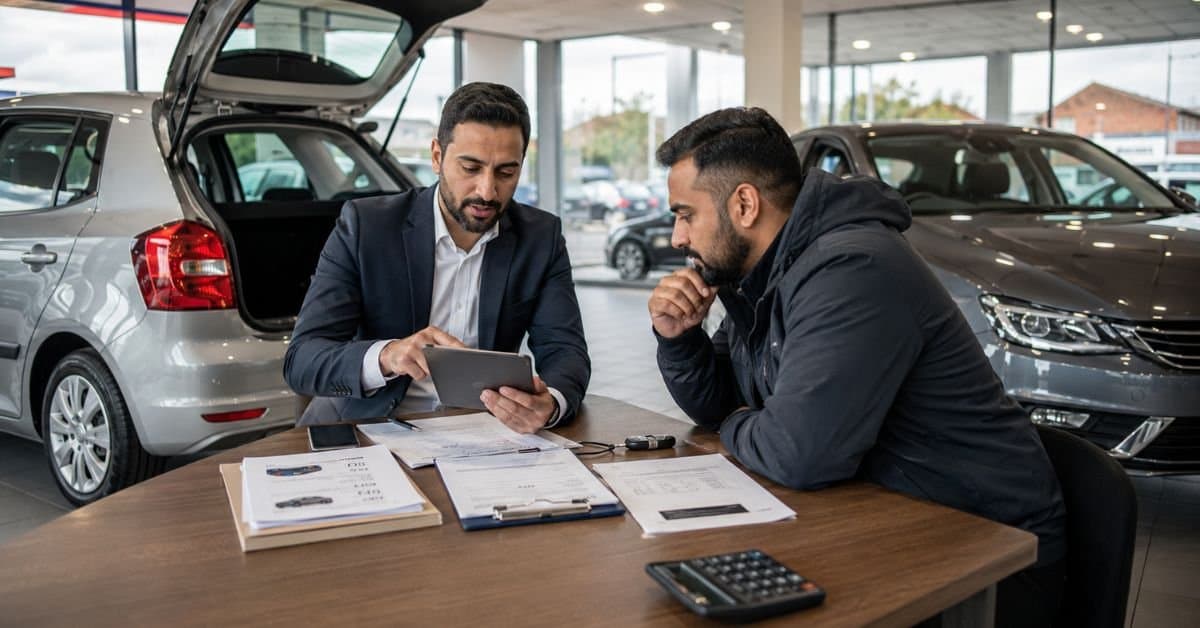
Part exchanging your car can be one of the simplest ways to change vehicles. Instead of selling privately and arranging a separate purchase, you trade your existing car towards another vehicle through a dealer. However, convenience does not always mean you are getting the best overall deal. Whether you are upgrading, downsizing or replacing an older vehicle, working with a trusted auto showroom can make the process more straightforward while helping you understand the value of your current car. Knowing how part-exchange valuations work and avoiding common mistakes can help you negotiate confidently and make a better-informed decision. How Does Car Part Exchange Work? A car part exchange involves a dealer assessing your current vehicle and assigning it a trade value. That value is then used as part of the payment towards the replacement car. For example, if your current car is valued at £6,000 and the replacement costs £16,000, the remaining difference is £10,000 before any other agreed costs or finance arrangements. The important point is to consider the overall transaction, rather than focusing only on the part-exchange figure. What Affects Your Car’s Part-Exchange Value? Dealers may consider several factors when valuing a vehicle, including: Age and mileage Overall mechanical and cosmetic condition Service and maintenance history MOT status Specification and optional equipment Previous damage Current market demand Ease of resale Online valuations can provide a useful starting point, but the final offer may change after the vehicle is physically inspected. Comparing your car with similar vehicles currently being advertised can also help you understand its approximate market position. Common Car Part Exchange Mistakes 1. Not Researching Your Car’s Value One of the easiest mistakes is arriving at a dealership without knowing roughly what your car is worth. Research comparable vehicles based on age, mileage, specification and condition. Remember that advertised retail prices are not necessarily the same as the price a dealer will offer to acquire a vehicle. How to avoid it: Get several valuations and use them as benchmarks rather than assuming one figure represents the definitive value. 2. Accepting the First Offer Different dealers may place different values on the same vehicle because their stock requirements, customer demand and resale expectations can vary. How to avoid it: Compare more than one offer where practical, but assess the complete deal rather than automatically choosing the highest part-exchange figure. 3. Focusing Only on the Part-Exchange Price A higher part-exchange allowance does not necessarily mean a better transaction. For example, Dealer A might offer £7,000 for your car but sell the replacement for considerably more than Dealer B, which offers £6,500 but has a lower price on the vehicle you want. How to avoid it: Compare the replacement car's price, part-exchange allowance, finance terms and any additional charges together. 4. Ignoring Outstanding Finance If your current car is financed, find out the amount required to settle the agreement before negotiating the part exchange. The value of your car and the amount remaining on the finance are separate figures. If the settlement amount is higher than the vehicle's agreed trade value, there is a shortfall that needs to be addressed. HMRC guidance describes this situation as negative equity. How to avoid it: Obtain an up-to-date settlement figure from your finance provider and understand exactly how it will be handled in the transaction. 5. Spending Too Much on Repairs Before Trading In It can be tempting to repair every scratch, replace older tyres or carry out expensive mechanical work before a valuation. However, the cost of a repair is not necessarily recovered through a higher part-exchange offer. How to avoid it: Deal with obvious, inexpensive issues where appropriate, but consider the likely return before paying for major cosmetic or mechanical work. 6. Arriving Without the Right Documentation Missing paperwork can make the process less straightforward. Useful documents and items can include the V5C, service records, MOT information, vehicle handbook and spare keys. When transferring a vehicle to the motor trade, DVLA provides a specific part-exchange process for the V5C. How to avoid it: Prepare your vehicle documents before visiting the dealer and keep personal or sensitive information from being unnecessarily copied or shared. 7. Hiding Damage or Mechanical Problems Trying to conceal faults may create problems when the vehicle is inspected. If the dealer discovers undisclosed damage or mechanical issues, the original valuation may be revised. How to avoid it: Be honest about the vehicle's condition and provide relevant information about previous repairs, accidents or known faults. 8. Neglecting the Car’s Presentation A dirty interior, excessive clutter or neglected exterior can make a poorly maintained vehicle appear worse than it is. How to avoid it: Clean the car thoroughly, remove personal belongings and address simple presentation issues before the valuation. 9. Forgetting to Check the Replacement Car Part exchange can make the selling process feel like the main event, but the vehicle you are buying deserves just as much attention. How to avoid it: Check the replacement car's history, condition, mileage, specification and documentation, and take an appropriate test drive before committing. 10. Not Reading the Final Agreement A deal can look attractive during negotiation but contain details that affect the final amount you pay. How to avoid it: Check the agreed vehicle price, part-exchange value, deposit, finance figures, settlement amount and additional charges before signing. Part Exchange vs Selling Privately Part exchange generally offers greater convenience because the sale of your existing vehicle and purchase of another can be handled as one transaction. A private sale may potentially produce a higher selling price, but it can involve advertising, enquiries, viewings, negotiations and payment arrangements. The right option depends on whether your priority is maximum selling price, convenience, speed or simplicity. How to Get a Fair Part-Exchange Deal Before visiting a dealer: Research comparable vehicles and your car's market position. Obtain more than one valuation where possible. Check any outstanding finance and request a settlement figure. Gather your V5C, service history and relevant documents. Clean and present the vehicle properly. Be honest about its condition and history. Compare the replacement car's price as well as the trade-in allowance. Review the complete transaction before signing. Final Thoughts Car part exchange can save time and simplify the process of changing vehicles, but avoiding common mistakes is essential if you want to make a well-informed decision. Researching your car's value, understanding outstanding finance, comparing the complete deal and checking the replacement vehicle can all help you avoid unnecessary costs. Rather than asking simply, “How much will I get for my car?”, consider the more useful question: “What is the total cost of changing my car?” That approach gives you a clearer basis for comparing part-exchange offers and choosing a deal that genuinely suits your budget and needs.
https://share.google/wjIkBvR8JJJMX6l2a