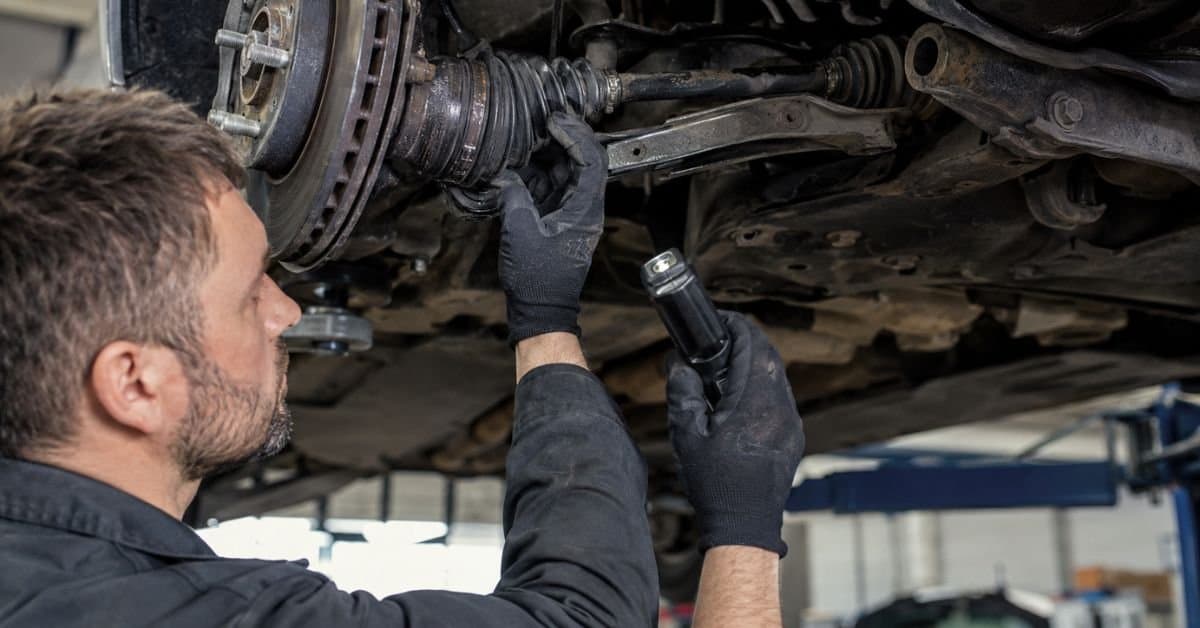
A car axle plays an important role in connecting the wheels to the vehicle’s drivetrain and helping deliver power while supporting smooth, controlled movement. When an axle or its related components develop a fault, early warning signs can include unusual noises, vibrations, handling changes or visible grease leaks. Recognising these symptoms early and seeking advice from a trusted car mechanic can help identify the underlying problem before it leads to further damage or more expensive repairs. Axle problems can have several causes, including pothole impacts, worn CV joints, accidents, corrosion and general wear. Understanding these common causes and warning signs can help UK drivers respond promptly and know when their vehicle requires professional attention. What Does a Car Axle Do? An axle is part of the assembly that supports or connects the wheels and, depending on the vehicle design, transfers driving force to them. Modern vehicles can use different axle and drivetrain arrangements, including drive axles, CV axles and solid or beam axles. Because axle components work alongside the wheels, suspension and drivetrain, a fault in one area can sometimes produce symptoms that resemble another mechanical problem. A proper inspection is therefore important before deciding that the axle itself is responsible. Common Causes of Car Axle Problems Potholes and Road Impacts Potholes, kerbs and uneven road surfaces can place significant shock loads through the wheel and suspension. A severe impact may bend or damage an axle or affect associated components such as CV joints, bearings or suspension parts. If the vehicle develops a new vibration, pulling sensation or unusual noise after hitting a pothole, arrange an inspection rather than assuming the problem will disappear. Worn CV Joints or CV Boots On many front-wheel-drive and independent-suspension vehicles, CV joints allow the driveshaft to transfer power while accommodating changes in steering and suspension movement. A damaged or split CV boot can allow grease to escape and dirt to enter, accelerating joint wear. Clicking or popping, particularly while turning under power, can be a warning sign of CV joint trouble. Accidents and Collisions Even a relatively low-speed collision can affect wheels, suspension and drivetrain components. An axle or driveshaft may become bent or damaged without producing an obvious visual sign. Following a significant impact, a professional inspection can help identify hidden damage before it develops into a larger mechanical or safety issue. Age, Corrosion and General Wear Axle-related components experience repeated loads during acceleration, braking and cornering. Over time, bearings, joints, seals and protective boots can deteriorate. Corrosion can also become a concern, particularly where components have been exposed to moisture, road contaminants or winter conditions. Common Signs of a Bad or Damaged Axle Clicking, Clunking or Grinding Noises Repeated clicking while turning can indicate a CV joint problem, while clunking or grinding may point to several drivetrain, wheel or suspension issues. The location and conditions under which the noise occurs can help a technician identify its source. Vibrations While Driving A damaged or poorly balanced drivetrain component can produce vibrations that become more noticeable as speed or load changes. However, wheel imbalance, tyres, bearings and suspension components can create similar symptoms, so diagnosis is important. Grease or Fluid Leaks Grease around the inside of a wheel or near a driveshaft can indicate a damaged CV boot. Other fluid leaks may originate from seals or differential components. Ignoring a leak can allow lubrication to deteriorate and increase component wear. Uneven Tyre Wear Uneven tyre wear does not automatically mean the axle is damaged. Incorrect wheel alignment, worn suspension components, tyre pressure problems and steering faults can also cause abnormal wear. If tyre wear appears alongside handling problems or impact damage, have the vehicle inspected. Changes in Handling Pulling to one side, unusual steering behaviour or instability should never be ignored. These symptoms can involve the axle, suspension, steering, wheels or tyres, and identifying the actual cause is essential for safe driving. Are Axle Problems Dangerous? They can be. The risk depends on the component affected and the severity of the damage. A severely damaged or deformed axle can affect vehicle stability and roadworthiness. The UK MOT inspection manual classifies a fractured or deformed axle as a dangerous defect, while certain insecure axle conditions can also be classified as major or dangerous. If you experience severe vibration, major handling changes, suspected structural damage, or a component that appears loose or broken, avoid continuing to drive the vehicle and seek professional assistance. How Are Car Axle Problems Diagnosed? Diagnosis normally starts with a visual inspection and may include checking: CV joints and protective boots Axle shafts and mounting points Bearings and seals Wheels and tyres Suspension and steering components Signs of grease or fluid leakage A technician may also road-test the vehicle where safe to reproduce symptoms and determine when noises or vibrations occur. Further inspection with the vehicle raised may be necessary. How Are Axle Problems Repaired? The appropriate solution depends on the cause and extent of the fault. A CV boot replacement may be sufficient when the boot is damaged but the joint remains in good condition. A worn CV joint may require replacement, while a seriously bent, cracked or otherwise structurally compromised axle may need complete replacement. Related faults involving bearings, seals, suspension or differential components should also be addressed rather than replacing the axle without confirming the underlying cause. How Much Does Car Axle Repair Cost in the UK? There is no single price for axle repair. Costs depend on the vehicle, parts required, labour rates and whether the problem involves a CV boot, joint, bearing, driveshaft or complete axle assembly. Getting an accurate diagnosis first can prevent unnecessary parts replacement and gives you a clearer idea of the total repair cost. How to Prevent Car Axle Problems You can reduce the risk of axle-related faults by: Slowing down for potholes and uneven surfaces. Avoiding unnecessary kerb impacts. Keeping tyres correctly inflated. Following the manufacturer's maintenance schedule. Checking for damaged CV boots or visible grease leaks. Addressing unusual vibrations or noises promptly. Having the vehicle inspected after a significant collision. Avoiding excessive loads beyond the manufacturer's limits. Regular checks are particularly valuable because axle, wheel, tyre and suspension conditions are all relevant areas of the UK MOT inspection process. Final Thoughts Car axle problems rarely have just one obvious symptom. Clicking noises, vibrations, leaks, uneven tyre wear and handling changes can all have multiple possible causes. The safest approach is to treat new or worsening symptoms seriously, identify the underlying fault and have significant damage assessed by a qualified professional. Early diagnosis can help prevent a relatively small component problem from developing into more extensive drivetrain, suspension or safety issues.
https://londonmotorsports.co.uk/contact-us/