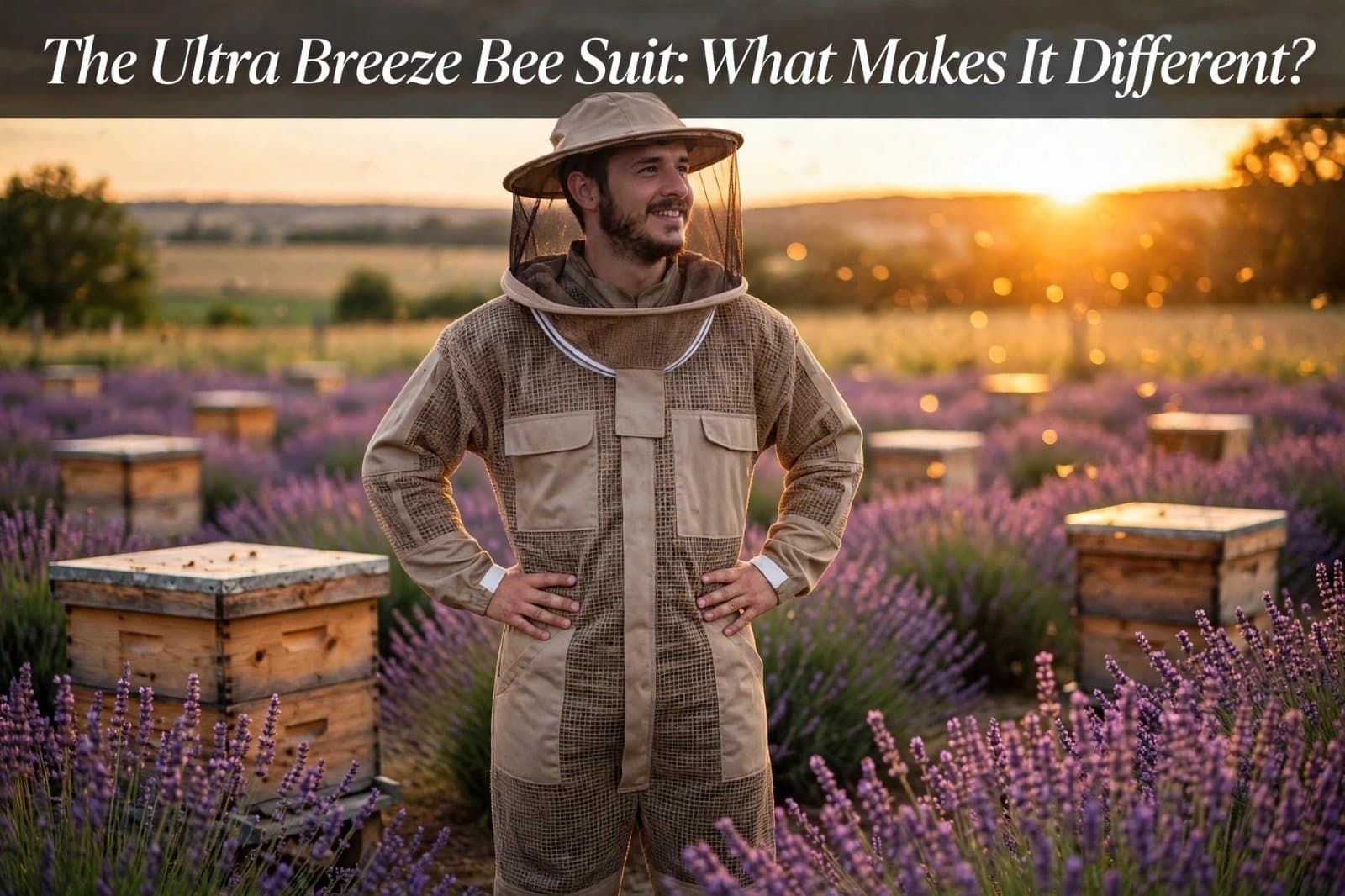
The Ultra Breeze Bee Suit: What Makes It Different? Beekeeping has changed significantly over the years, with protective equipment becoming more focused on comfort, movement, and practical use. While traditional protective clothing remains useful, many beekeepers now look for gear that can provide dependable coverage without making long hours around the hive unnecessarily uncomfortable. The the ultra breeze bee suit represents this growing interest in protective clothing designed to balance comfort and safety. Choosing the right bee suit involves more than selecting a product that simply covers the body. Beekeepers need equipment that works well during different tasks, fits correctly, and supports their ability to move freely. Understanding the features that can make a bee suit different helps both beginners and experienced beekeepers make better decisions about their protective gear. A Focus on Modern Beekeeping Needs Today's beekeepers have different routines, environments, and expectations. Some manage a few hives in a backyard, while others work with larger apiaries and spend many hours outdoors. These differences make comfort and practical design important considerations. A modern beekeeping suit should support the movements involved in everyday hive work. Bending over a hive, lifting frames, reaching for tools, and walking around an apiary all require freedom of movement. Protective clothing that feels overly restrictive can make these tasks more difficult. Modern designs often focus on improving the overall experience rather than concentrating on only one feature. The way materials, closures, protective layers, and the veil work together can influence how comfortable and practical a suit feels throughout the day. Why Ventilation Is an Important Feature Working around bees often takes place outdoors during warm and sunny conditions. Protective clothing naturally covers a large part of the body, which can make heat management an important concern. Good ventilated bee protection can help support a more comfortable experience during warm-weather hive work. Ventilated construction is designed to encourage airflow while maintaining a protective barrier between the beekeeper and the bees. However, ventilation should always be considered as part of the complete design. The quality of the materials, the fit of the suit, and the security of the closures are equally important. A beekeeper should look for a balance between airflow and reliable coverage. Your local climate can also influence how important ventilation is. Beekeepers who regularly work in high temperatures may prioritize airflow differently from those who work primarily in cooler environments. Comfort During Every Hive Task Hive inspections can involve much more movement than many people expect. A beekeeper may need to remove a hive cover, lift and inspect frames, check for signs of disease, or move equipment around the apiary. Clothing that fits properly can make these activities easier. Comfortable hive inspections depend on having enough room to bend, stretch, and reach without feeling restricted by protective gear. The fit should not be excessively loose or overly tight. A suit that is too tight can limit movement, while one that is too loose may become inconvenient during detailed tasks. Reviewing sizing information and taking accurate measurements can help you select a more suitable fit. It is also helpful to consider what you usually wear underneath the suit. If you need additional layers during certain seasons, make sure there is enough room to wear them comfortably. What Makes Protective Clothing Different? Not every bee suit is designed in the same way. Differences in materials, construction, ventilation, veil style, and closures can all affect the overall experience. The the ultra breeze bee suit can be viewed as an option for beekeepers who are interested in features that support comfort alongside practical protection. When comparing protective clothing, it is useful to consider how each feature will perform during your normal beekeeping routine. Look beyond the product name and examine the details. Consider the following questions: Does the suit allow comfortable movement? Is the veil designed for clear visibility? Are the closures secure and easy to use? Does the material suit your local weather conditions? Is the clothing easy to inspect and maintain? Answering these questions can help you compare options based on your actual needs. The Importance of a Secure Veil The veil is one of the most important parts of a beekeeper's protective setup. It helps cover the face and neck while allowing the beekeeper to observe the hive clearly. Different veil styles may suit different preferences. Some beekeepers prefer one design for visibility, while others may focus more on the amount of space around the face. Regardless of the style, the veil should connect securely to the suit. Before approaching a hive, check that all attachment points and zippers are properly fastened. Look for holes, tears, or gaps that could affect the level of coverage. A well-maintained veil can also improve confidence during close work with an active colony. Balancing Airflow and Coverage The goal of protective clothing is not simply to feel lightweight. A good suit should balance comfort with the coverage needed for working around bees. A modern beekeeping suit may include design features intended to support mobility and comfort, but every beekeeper should evaluate whether those features match their specific requirements. Consider how long you usually spend working outdoors and how physically demanding your routine is. If you often work in warm conditions, airflow may be one of your main priorities. If your beekeeping activities take place in cooler weather, you may focus more on having enough room for suitable layers. The best approach is to consider the complete environment in which you work rather than choosing a suit based on a single feature. Practical Features for Daily Use Small design details can make a significant difference during regular hive management. Zippers should be easy to operate and securely positioned. Cuffs should work properly with gloves to reduce unnecessary openings. Durable seams can also support regular use. Beekeeping clothing is exposed to repeated movement, outdoor conditions, and regular cleaning, so construction quality is an important consideration. At BeBees, beekeepers can explore protective equipment based on their individual needs and working conditions. Choosing the right gear involves considering comfort, fit, coverage, and the practical features that matter most to your routine. Supporting Better Hive Inspections The right protective clothing can help a beekeeper focus on the hive rather than constantly adjusting their equipment. When gear fits properly and supports natural movement, routine tasks can feel more manageable. Comfortable hive inspections are especially important when working with multiple colonies or spending extended periods outdoors. Before purchasing a suit, think about the movements you make most often and whether the design provides enough flexibility for those activities. It is also important to inspect your gear before each use. Make sure the veil is secure, all closures are fastened, and the suit does not have damaged areas that require attention. Regular checks can help keep your protective setup ready for your next hive visit. Caring for Your Protective Equipment Proper maintenance can help extend the useful life of a bee suit. After working with your hives, inspect the clothing for dirt, propolis, damaged seams, or signs of wear. Always follow the manufacturer's care instructions. Using unsuitable cleaning methods may affect the material or other important features of the suit. Allow the equipment to dry completely before storing it in a clean, dry location. Pay special attention to the veil, zippers, cuffs, and seams, as these areas are important for maintaining reliable coverage. If you discover damage, repair or replace the affected part before using the suit again. Ventilation and Long-Term Comfort Beekeepers who spend long periods outdoors understand how temperature can affect the overall experience. Physical activity, direct sunlight, and protective layers can all contribute to discomfort. Choosing equipment with ventilated bee protection can be helpful for those who prioritize airflow during their normal beekeeping routine. However, ventilation works best when combined with a proper fit and secure construction. Think about the conditions in which you keep your bees. A feature that is valuable during a hot summer may have different importance during cooler seasons. Evaluating your year-round needs can help you choose equipment that remains practical over time. Creating a Complete Protective Setup A bee suit is only one part of a complete beekeeping setup. Gloves, a secure veil, and suitable footwear all work together to provide appropriate coverage. Make sure each item fits correctly with the others. For example, gloves should connect comfortably with the sleeves, while the veil should be properly attached to the suit. BeBees offers protective gear options that can be considered as part of a complete beekeeping setup. Reviewing your equipment regularly and replacing damaged items can help you stay prepared for routine hive work. Final Thoughts What makes a bee suit different is often the way multiple features work together. Comfort, ventilation, fit, movement, veil security, and construction quality all contribute to the overall experience. The right protective clothing should match your individual beekeeping routine and local conditions. Take time to compare options, review sizing information, and consider which features will be most useful during your typical hive inspections. By choosing suitable equipment and maintaining it carefully, you can create a protective setup that supports both confidence and comfort. Whether you are new to beekeeping or have years of experience, understanding the practical features of your gear can help you spend more time focusing on the health and care of your colonies.
https://bebeesuit.com/products/ultrabreeze-bee-suit-ultra-ventilated-bee-suit/