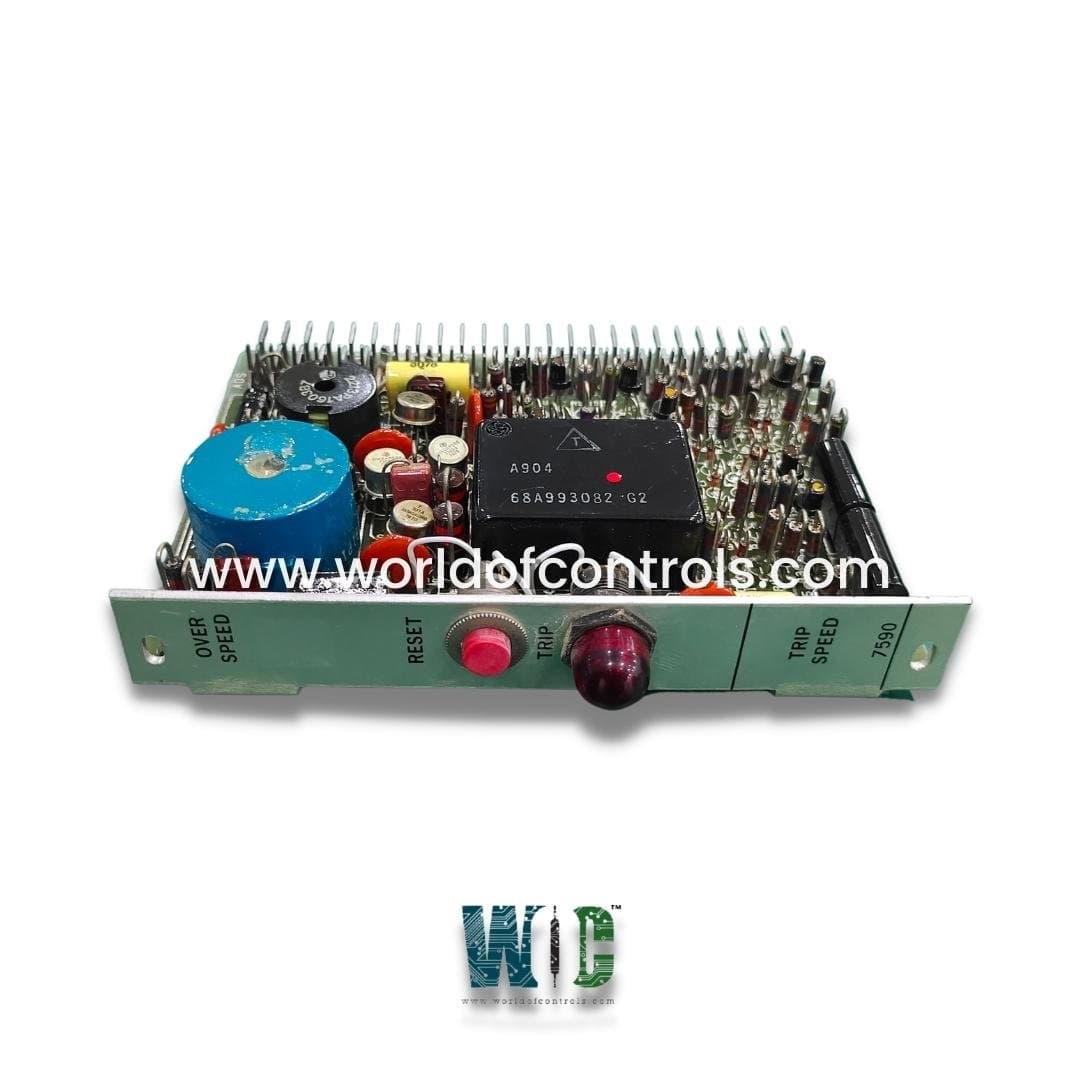
Introduction Turbines play a vital role in power generation and industrial operations, converting energy from gas, steam, or other sources into mechanical power. To operate safely and efficiently, turbines require precise speed monitoring and control systems. These systems help maintain the desired rotational speed, support stable operation under changing loads, and contribute to equipment protection. In modern turbine operations, reliable speed control is essential for operational efficiency, equipment reliability, and plant availability. Components such as sensors, electronic control boards, and protective circuits work together to monitor turbine behavior and support accurate control decisions. Understanding Speed Control Systems in Turbines A turbine speed control system monitors the rotational speed of the turbine shaft and compares the measured value with a predefined speed reference. Based on the difference, the control system can adjust operating parameters, such as fuel flow in a gas turbine or steam flow in a steam turbine. During startup, the system helps regulate acceleration. During normal operation, it supports stable speed and load control. When operating conditions change, the control system responds to maintain the required performance within the equipment's operating limits. Speed monitoring also plays an important role in identifying abnormal operating conditions. Excessive rotational speed can create significant mechanical stress, making effective overspeed protection an essential part of turbine safety. The Role of Speed Sensors and Control Boards Speed sensors provide the control system with information about turbine shaft rotation. Depending on the design, these sensors generate electrical signals corresponding to rotational speed. Electronic control boards process or condition relevant signals so that the turbine control system can use them for monitoring, regulation, or protection. The accuracy and reliability of these components directly affect the quality of speed information available to the control system. Faulty sensors, damaged wiring, electrical interference, or malfunctioning control electronics may lead to incorrect readings, alarms, or operational interruptions. For this reason, regular inspection, appropriate testing, and the use of compatible replacement components are important elements of turbine maintenance. Understanding GE Speed Control Sensor Boards GE speed control sensor boards are associated with turbine control hardware used to monitor rotational speed and support turbine control or protective functions, depending on the system design. These components are particularly relevant in legacy turbine control installations, where maintaining compatible hardware is important for reliable operation. Within the turbine industry, normal speed control and overspeed protection must be distinguished. Speed control helps regulate turbine operation under normal conditions, while overspeed protection detects potentially dangerous rotational speeds and initiates the appropriate protective response. A speed control sensor board may form part of the signal-processing or monitoring architecture that enables the wider control system to interpret speed-related information. Its exact function depends on the specific hardware configuration and manufacturer documentation. When maintaining older turbine installations, engineers should verify the board's specifications, revision, and compatibility before selecting a replacement. Correct installation and system testing are also essential to maintaining the intended functionality of the turbine control system. Benefits of Reliable Speed Control Systems 1. Improved Operational Stability Accurate speed feedback helps the control system respond to changing operating conditions, supporting smoother startup, stable operation, and appropriate load response. 2. Enhanced Equipment Protection Overspeed monitoring helps identify conditions that could expose turbine components to excessive mechanical stress. Reliable sensing and protective functions are important safeguards against potential equipment damage. 3. Better Maintenance Planning Routine inspection and testing can reveal deteriorating components before they contribute to unexpected downtime. Maintaining suitable spare parts can also help reduce delays during repairs. 4. Greater Plant Availability Reliable control hardware helps reduce the risk of interruptions caused by speed-monitoring faults. Combined with preventive maintenance, it supports dependable turbine operation and improved equipment availability. Maintenance Considerations for Turbine Speed Control Components Maintenance teams should follow approved procedures when inspecting speed sensors and control boards. Checks may include reviewing alarms and fault histories, inspecting connectors and wiring, verifying sensor signals, and testing protective functions according to the manufacturer's instructions. When replacing a control board, technicians should verify the complete part identification, hardware revision, control-system compatibility, and approved testing requirements. Physical similarity alone is not sufficient evidence of compatibility. Any work involving overspeed protection should be performed by qualified personnel under the plant's approved safety procedures. Documenting maintenance activities and test results also helps establish a reliable history of equipment performance. Conclusion Speed control systems are fundamental to safe, stable, and efficient turbine operations. By providing reliable speed feedback and supporting appropriate control and protective responses, they help protect valuable equipment and maintain plant performance. Specialized sensor boards and electronic control components remain important parts of many turbine control architectures. Proper component verification, preventive maintenance, and functional testing help operators and maintenance teams sustain the reliability of turbine installations and support long-term operational performance.
https://www.worldofcontrols.com/IC3600QOXC4F