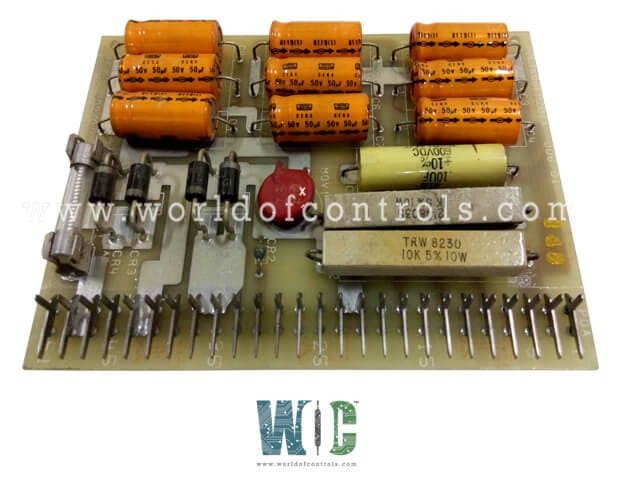
In today's modern power systems, ensuring stable and reliable voltage is critical for both industrial and consumer applications. One key component responsible for achieving this stability is the voltage regulator board. These boards play a pivotal role in maintaining consistent voltage levels despite fluctuations in the power supply, thus protecting sensitive equipment and enhancing system performance. This article will explore the importance of voltage regulator boards in power systems, explaining their function and how they contribute to the overall stability of electrical infrastructure. What is a Voltage Regulator Board? A voltage regulator board is an electrical component designed to regulate and maintain a constant voltage level within a power system. Whether in industrial machinery, consumer electronics, or renewable energy systems, voltage regulator boards are crucial for preventing voltage fluctuations that could potentially harm sensitive equipment or reduce operational efficiency. Voltage regulator boards work by adjusting and stabilizing the input voltage, ensuring that the system provides a consistent output. This function is particularly important in systems where power instability could result in equipment malfunction, damage, or even failure. The Importance of Voltage Regulation in Power Systems Voltage regulation is a critical function in power systems for several reasons: Protection of Equipment Voltage-sensitive components require a stable supply of electricity to function correctly. Fluctuating voltage can cause components to overheat, wear out prematurely, or even fail completely. Voltage regulator boards ensure that such fluctuations are minimized, offering protection to sensitive equipment and extending its lifespan. Enhanced System Stability and Efficiency Voltage regulator boards help ensure that the entire power system remains stable, reducing the risk of energy wastage or inefficiency. By maintaining a constant voltage, they help prevent energy surges or drops that might otherwise disrupt the operation of various devices or systems. Optimized Performance For sensitive electronics, such as computer circuits or control systems, proper voltage regulation is crucial to achieving optimal performance. With steady voltage, devices operate more efficiently, avoiding the risk of performance degradation or malfunction due to unstable power conditions. Key Features of Voltage Regulator Boards Voltage regulator boards offer several important features that make them indispensable in power systems: Precision Voltage Control High-quality voltage regulator boards are capable of maintaining precise output voltages. This is crucial in settings where even minor voltage fluctuations can have significant consequences, such as in industrial equipment or medical devices. Robustness and Durability Many voltage regulator boards are designed to withstand harsh operating conditions, such as extreme temperatures, vibrations, or moisture. This robustness ensures long-lasting performance, especially in industries like power generation, manufacturing, and telecommunications. Adaptability to Changing Loads Voltage regulator boards are equipped with advanced control mechanisms that allow them to adjust output voltage based on the load demands of the system. Whether the load increases or decreases, the regulator ensures that the voltage remains steady, preventing issues such as power drops or overvoltage. How Voltage Regulator Boards Work Voltage regulator boards operate through a feedback mechanism that continuously monitors and adjusts the output voltage to maintain stability. These boards use components like transformers, diodes, and capacitors to manage the incoming electrical current and keep it within acceptable limits. In a typical voltage regulation process, the board compares the actual output voltage with the desired set point and makes real-time adjustments to bring any discrepancies back within range. This continuous correction process allows for seamless operation, even when the input power fluctuates due to changes in the power grid or system load. Applications of Voltage Regulator Boards Voltage regulator boards are used in a wide variety of applications, from industrial machinery to household electronics. Some of the most common uses include: Industrial Power Systems In industries such as power generation and manufacturing, voltage regulator boards ensure that machinery operates smoothly. They are commonly used in turbines, generators, and large-scale industrial systems where stable power is essential for efficiency and safety. Consumer Electronics Household appliances, televisions, and computers all rely on voltage regulators to prevent damage from power surges or drops. These devices ensure that the internal circuits receive a consistent voltage, contributing to their reliability and longevity. Renewable Energy Systems In solar and wind energy systems, voltage regulators help convert fluctuating power generated by renewable sources into a steady output for use or storage. Without voltage regulation, the energy generated might not be usable or could damage storage systems like batteries. Automotive and Aerospace Systems Voltage regulators are essential in modern vehicles and aircraft to ensure the smooth operation of electrical components, including lighting, infotainment, and control systems. Conclusion Voltage regulator boards are indispensable components in modern power systems, ensuring that the equipment and devices reliant on electrical power remain safe, efficient, and stable. From protecting sensitive electronics to enhancing the performance of large-scale industrial systems, the role of voltage regulation cannot be overstated. By offering precision control, robust design, and adaptability to changing conditions, these boards are essential for the reliable operation of electrical infrastructure across diverse industries. Understanding the functionality and importance of voltage regulator boards helps underscore the vital role they play in the stability of power systems, contributing to the efficient and secure operation of modern electrical devices and equipment.